Religion *
Religion *
In Ireland, blessings from a priest are important to people. So when a priest refused to read the Last Rites to prostitutes, to some of those women it was devastating.
The clergy were so terrified to enter Monto for its violent nature that other priests tried to dissuade Frank Duff and the Legion of Mary from entering. Ultimately, they brought an end to Monto and ‘cleansed’ the area by hanging a cross on a wall in Monto.
As mentioned previously, the nuns in the laundries controlled the women, 'bobbed' their hair, giving them false names, making them work for their sins, separating mother and baby, and keeping them in the institution’s uniform. There was a moral and power superiority of the church actors within the laundries, which is reflective of the Madames' position over the women in Monto. The Madames controlled the women - had the power to throw them out onto the streets, control their funds connected to work the Madames ran, parade them in the streets in clothes the Madames provided, and instruct the bully boys to keep the women in line.
Power
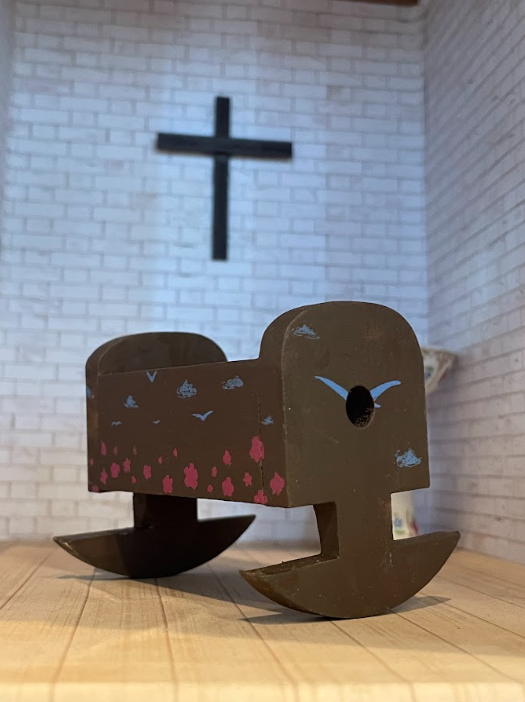
Before adoption was legalised in 1935, many nuns and priests organised the process for Catholic illegitimate children to remain in Catholic families. This was because the Child Protection and Rescue Society of Ireland and the Catholic Church were worried that protestant families would change the child’s religion.
Many birth certificates were falsified to say that the illegitimate children were a part of families they were being adopted to.
Adopted illegitimate children went to Irish families as well as international ones - many of these were American families. A major problem with this was that no welfare or financial background checks were done on the families. Leading to situations like what Mary Harney experienced: being separated from her mother and being put with a foster family until they mistreated her. The State later moved her to an Industrial School.
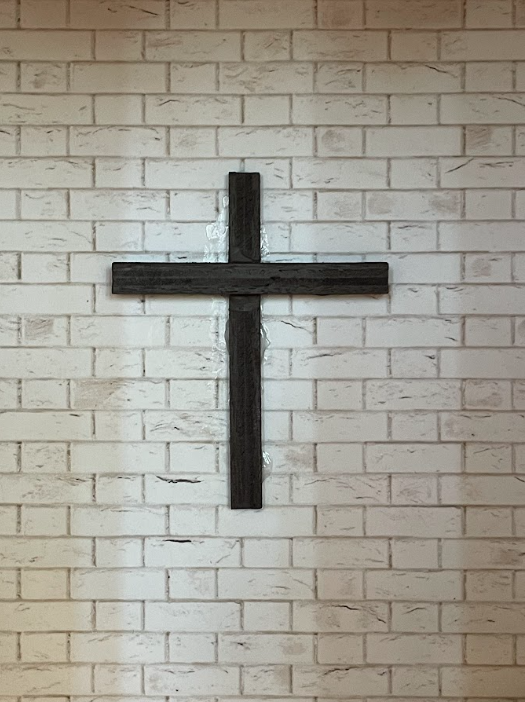
Also known as ‘The Girl’s Cross’.
Martin Coffee recalls the tale of how the Monto Cross came to him. His great-grandmother, Margaret Caroll, with Nannie McLoughlin (her sister and a less-known madame of Monto) were arrested and charged with others for the murder of John McKenna. It was when she was dying in 1916 that a parish priest would not administer the Last Rites to her. Her daughter Annie placed a black cross over her bed.
After her mother’s passing, Annie would lend the cross out to other women the priest refused to bless before death. This displayed the care for each other within the community so these women and girls could pass in peace.
Black Cross of Monto
There was this community within the brothels, especially around death. The case of “Mary Kate” highlights this. Frank Duff and the Legion of Mary were given a tip about a girl who was dying of venereal disease - Duff gives the girl the pseudonym “Mary Kate”. In 1923, they found “Mary Kate” and convinced her to go to a hospital. However, she passed away after two months. Her funeral was the biggest seen in Monto, as all of the prostitutes of Monto and the women who went to Duff’s retreat hostel showed up for her funeral.
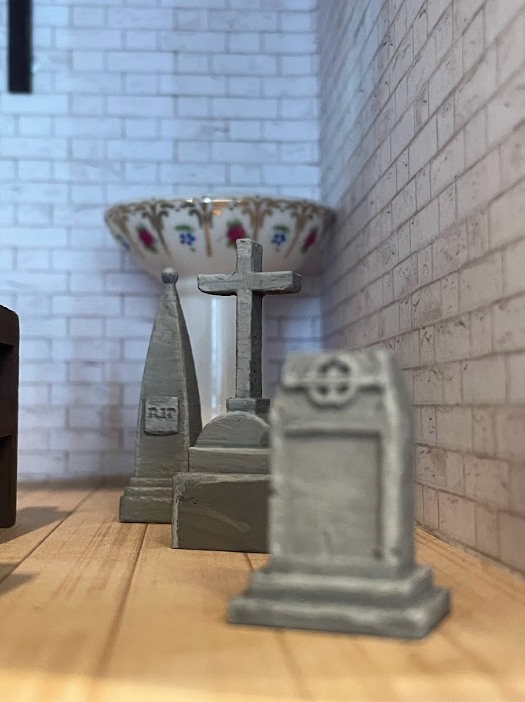
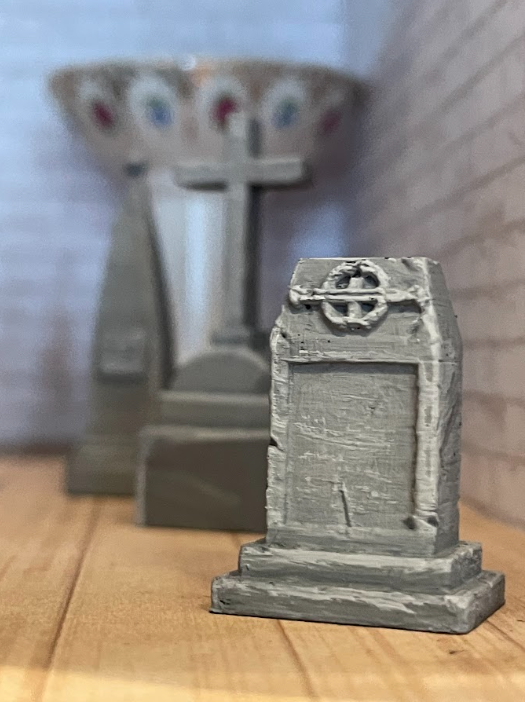
Cillíní (Cillín - English: Hoard; nest-egg) were present across Ireland. These were mass unmarked graves on unconcicrated grounds where unbaptised or still born children were burried because the Catholic Church refused to give them a Catholic burrial.
Many protestants experienced something similar. Unmarked graves, no death rites given, forgotten as they were just prostitutes. Honor Bright (a.k.a Lizzie O’Neill) faced this. She was killed in the Dublin mountains in 1925 by a police superintendent and a doctor. Neither man received a sentence because she was a prostitute.
Death
In 2012, Catherine Corless's findings uncovered a mass grave that held 796 dead children from the Tuam Mother& Baby Home between 1925 and 1961. Corless discovered that they were located in a septic tank on the facility's grounds. 15% or approximately 9,000 children died across all investigated facilities.