Attic
Remembrance
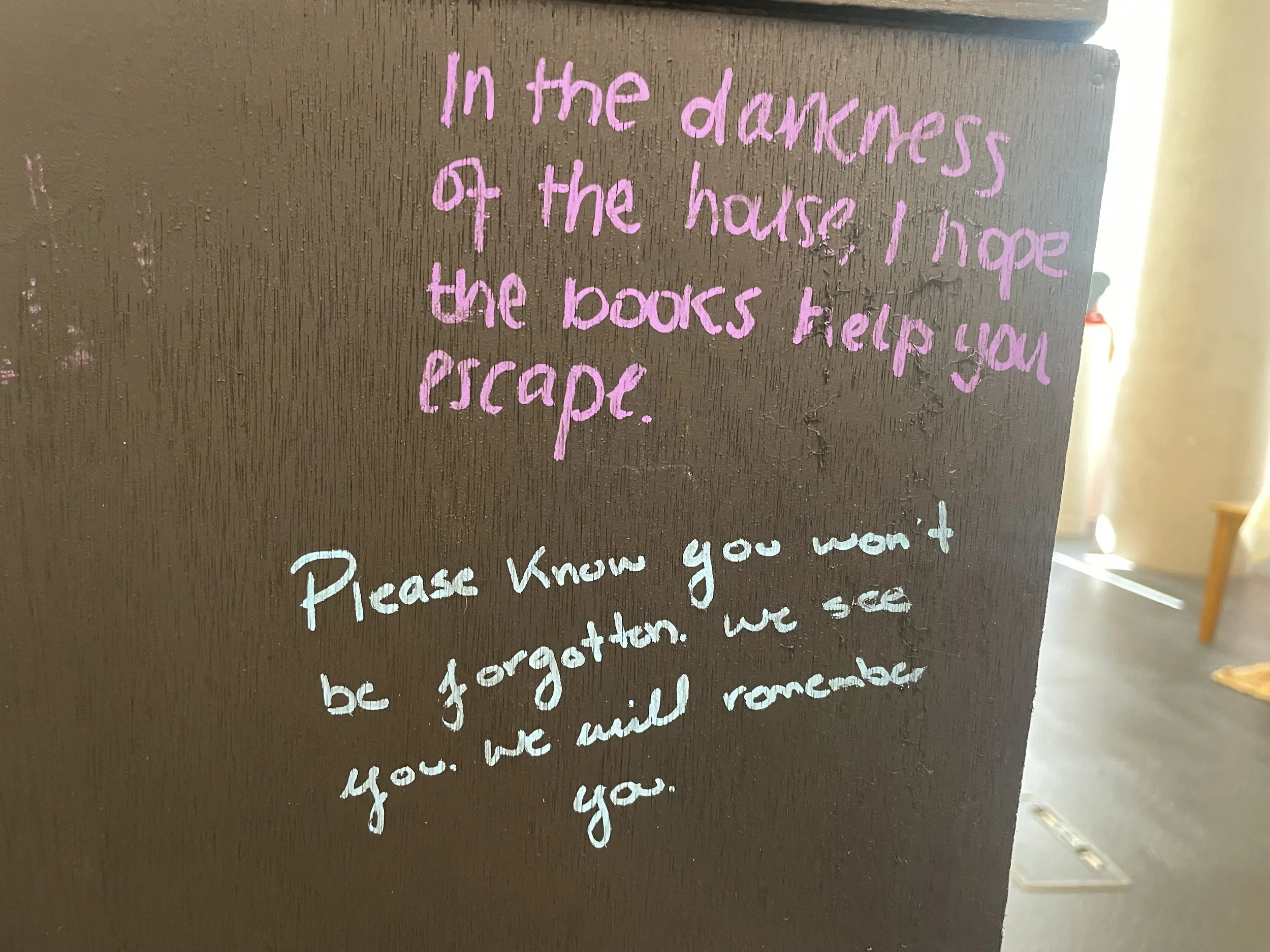
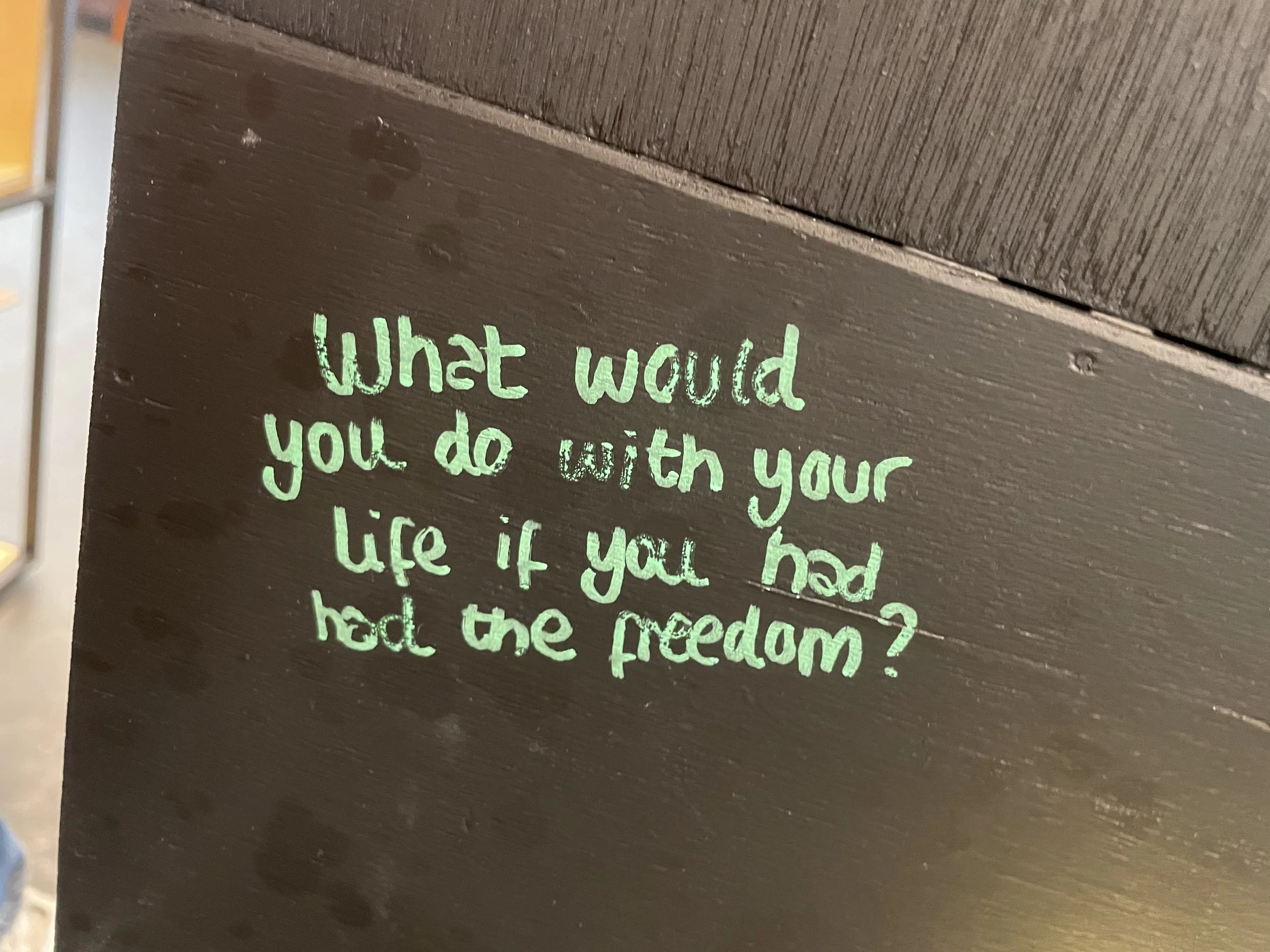
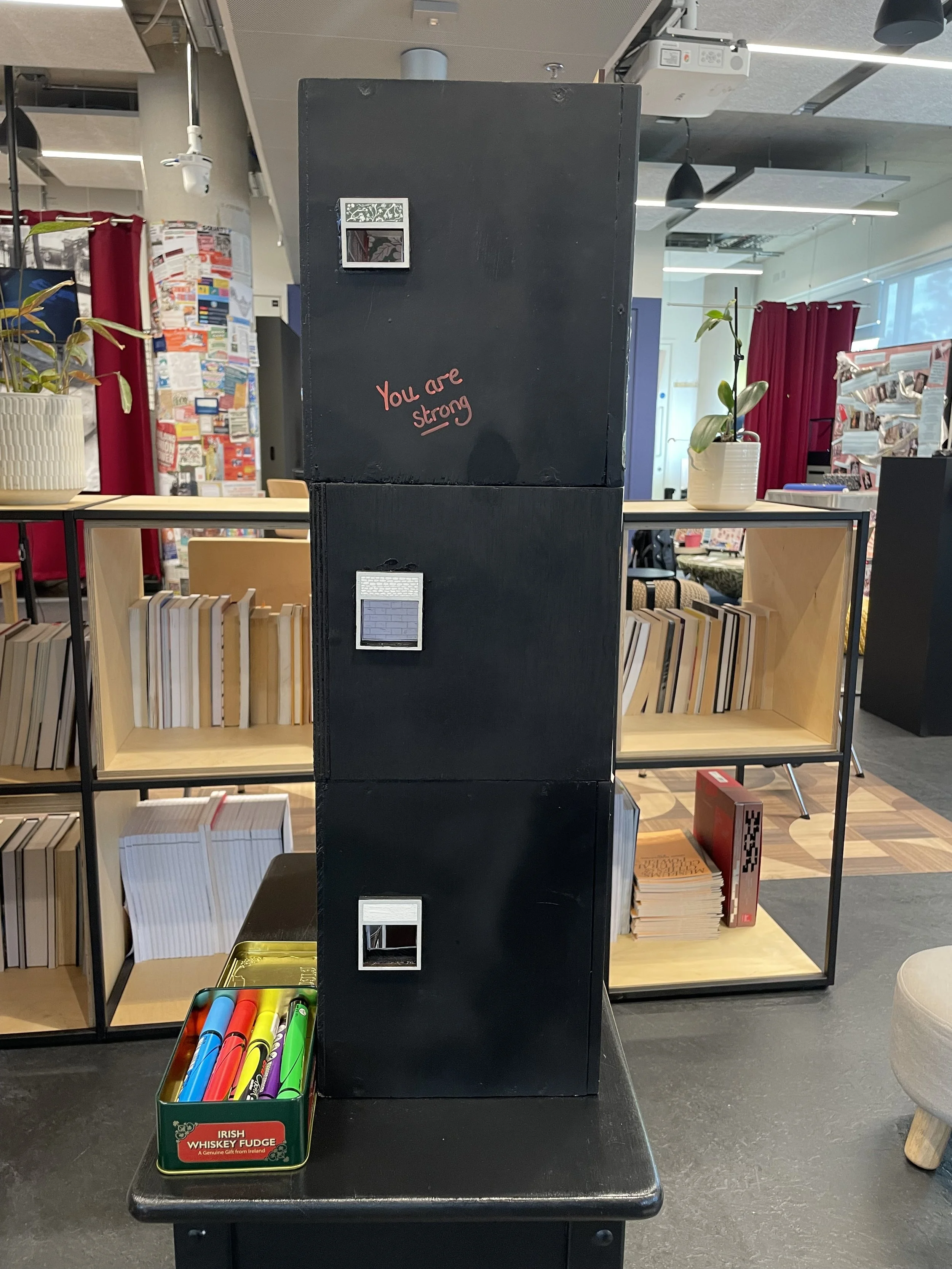
How to Remember The Monto & The Magdalene Laundries?
Monto and the Magdalene Laundries are two very difficult, emotionally taxing and important histories that should be remembered.
The women who went through these institutions and their experiences should not be forgotten.
How should we remember them?
Rememberance *
Rememberance *
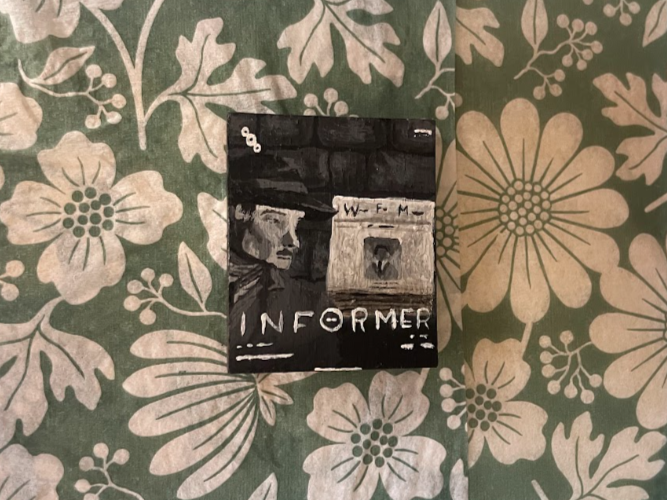
Film - The Informers (1929)
Based on the 1925 novel The Informer by Liam O'Flaherty, the film is about Gypo, who betrays his best friend, Francis, who is on the run after killing the chief of police. Gypo thought that his friend was his mistress’ lover and informed the police about him. However, Francis was a part of the Irish Republican Army (IRA), which led members of the IRA to pursue him.
Reference to Monto, brothels and Aunt Betty (a prominent Madame) - book and movie.
Posters
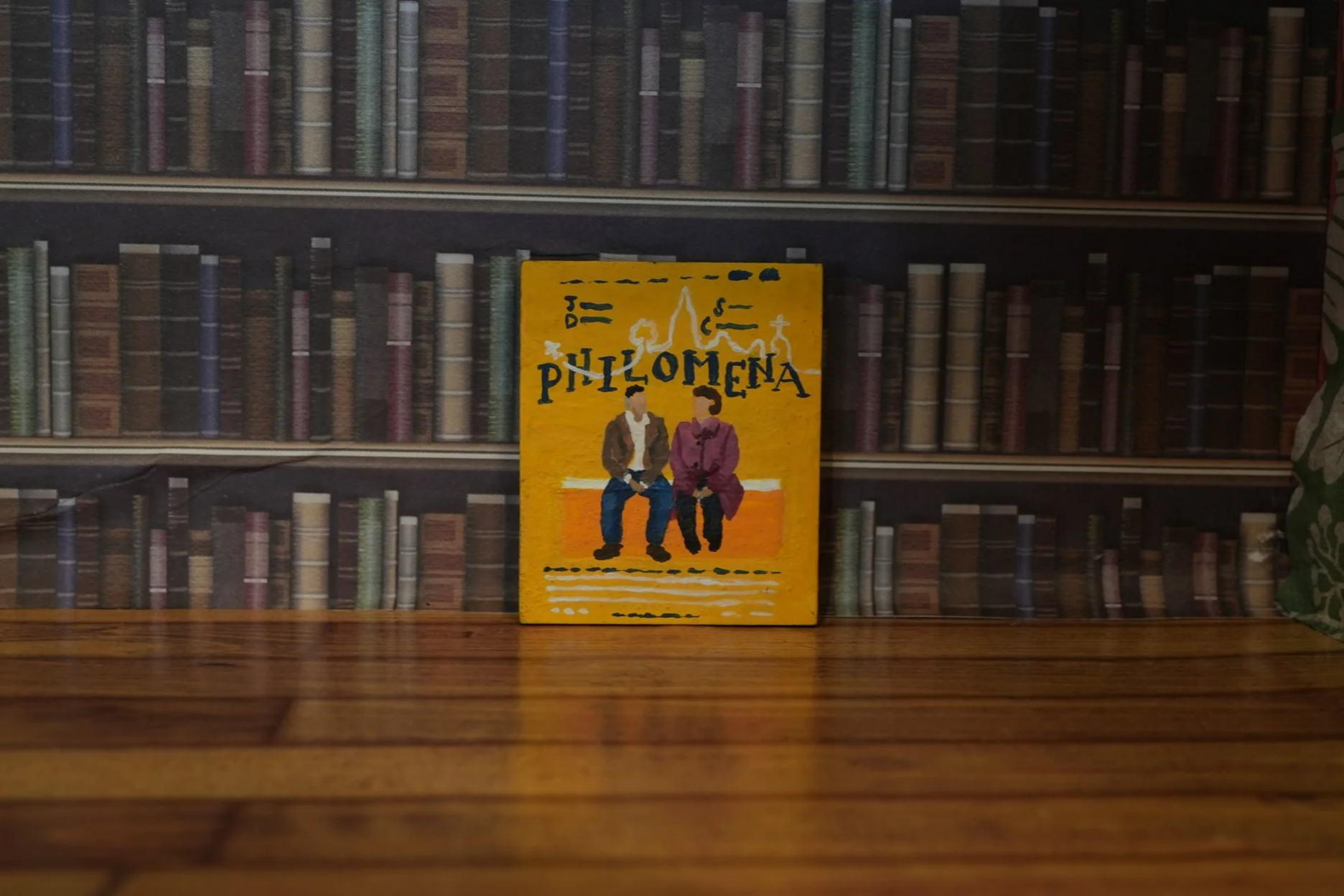
Film - Philomena (2013)
Martin Sixsmith, a journalist, picks up Phiolmena Lee’s story. She has been searching for her son for about 50 years, who was taken away from her after becoming pregnant and forced into a Catholic convent. Both learn and help each other grow.
It is based on the book The Lost Child of Philomena Lee (2009) by Martin Sixsmith.
References the Magdalene Laundries.
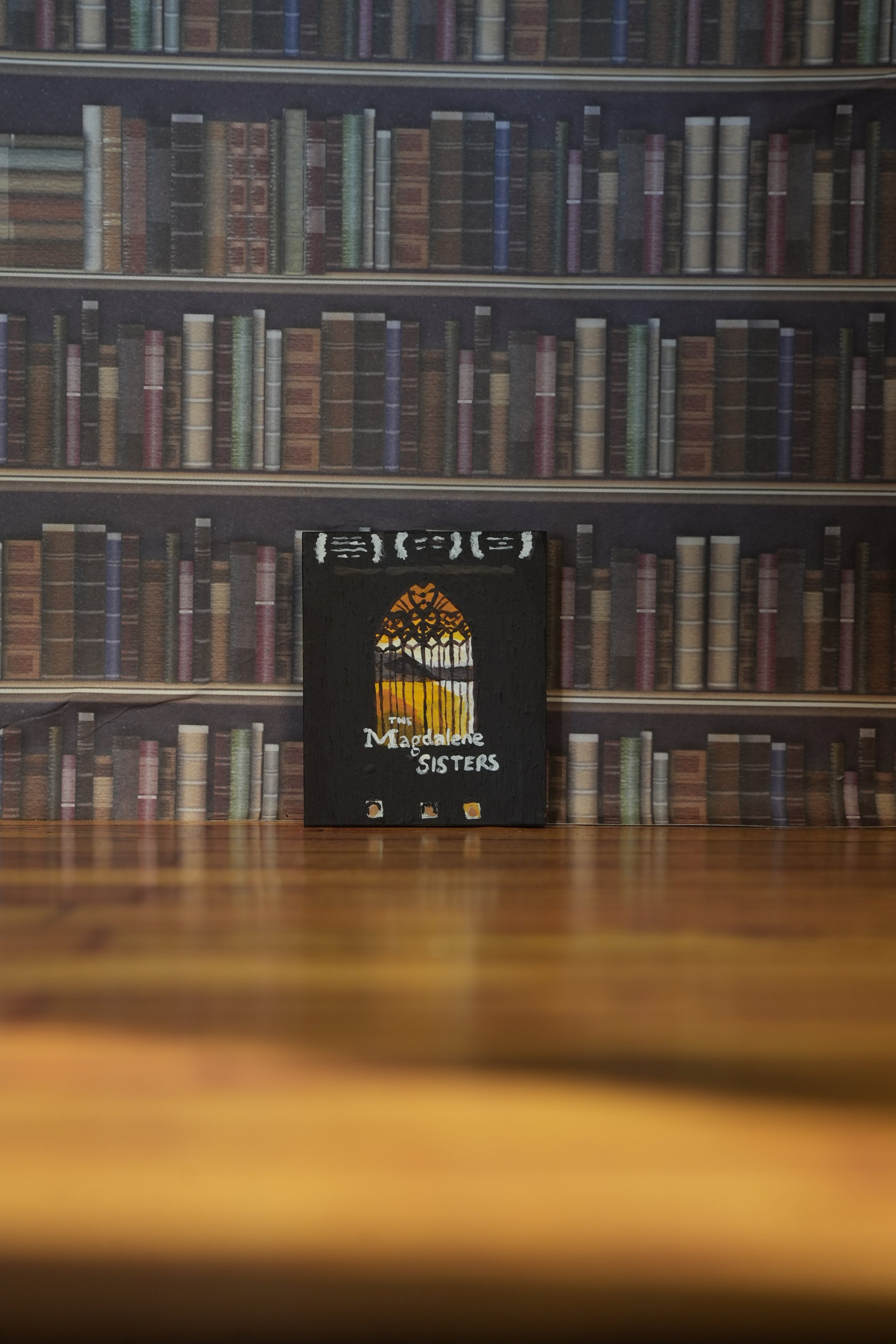
Film - The Magdalene Sisters (2002)
Three young Irish teenagers are sent to a Magdalene Laundry/Magdalene Asylum. They struggle against horrific cruelty and violence from the Mother Superior, and try to maintain their spirits while they endure dehumanising situations.
It is set and focuses on Magdalene Laundries.
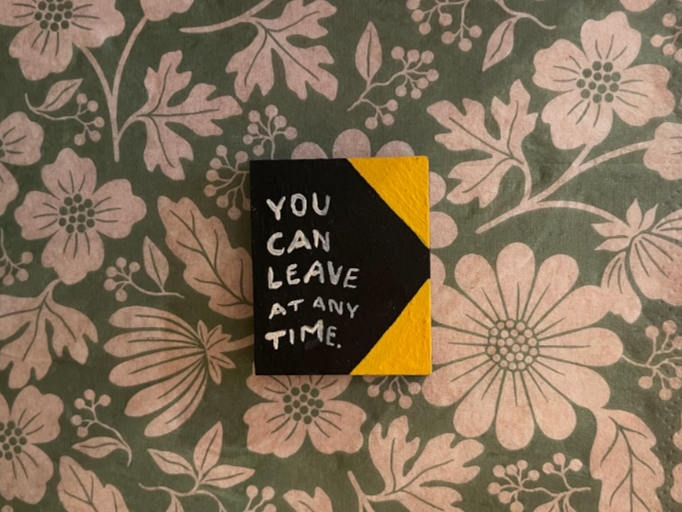
Exhibition - You Can Leave At Any Time (Little Museum of Dublin)
This exhibition only has one ticket per day. As the sole audience member, you are guided into a tiny closet where you sit in darkness as you listen to Mary Merritt’s story. She recounts her 14 years in High Park Magdalene Laundry and her fight for justice.
About life in and after the Magdalene Laundries.
More information here: https://www.littlemuseum.ie/whats-on/you-can-leave-at-any-time/
Oral Histories/Walking tours
Ireland is renowned for its oral histories. Through traditional songs, poetry and novels, stories have nurtured Irish history through many centuries.
A form of this is present through walking tours. Terry Fagan, whose work is heavily referenced in the Monto section, holds a tour most Saturdays in Dublin that covers Monto, the Magdalene Laundries, Industrial Schools and the local community at the time. He keeps the memory of the area alive through his oral histories and stories.
Mary Merrit’s story is preserved within the ‘You Can Leave at Any Time’ exhibition. You can hear her speak about her life in multiple Laundries. Through the experience, which allows one person at a time, her story can be relived and heard.
Objects
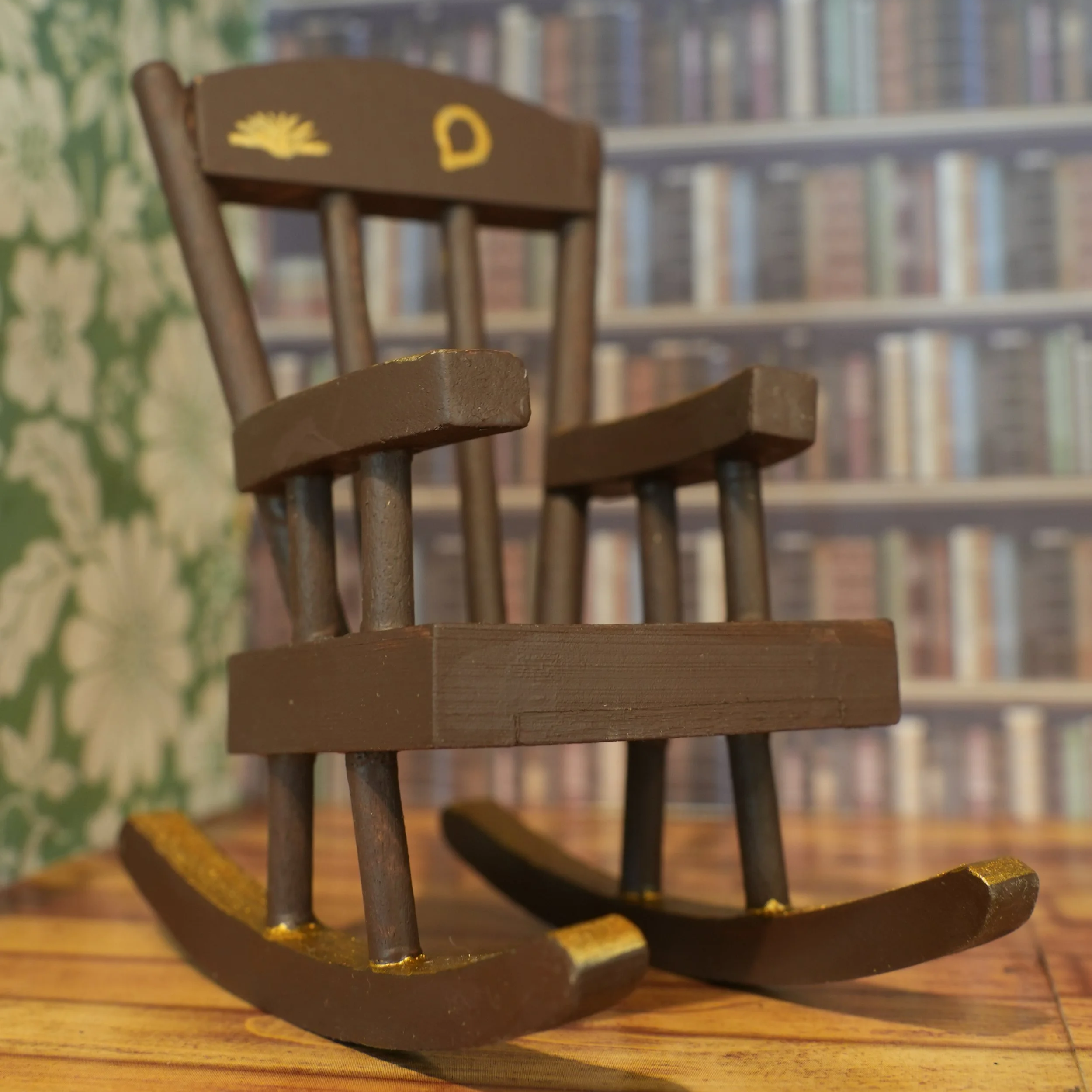
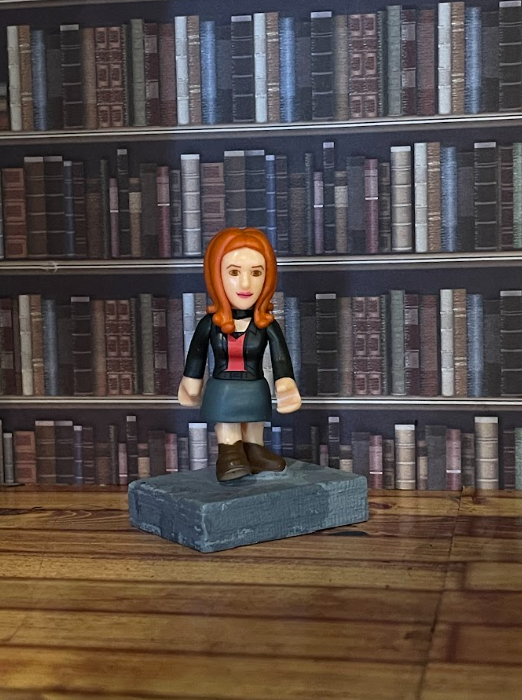
Songs
Another feature Ireland is well known for is its songs. From traditional to pop/rap music, Irish artists seek to communicate various perspectives of Irish life and culture. Below are examples that feature Monto within their lyrics:
‘Monto’ by Luke Kelly & The Dubliners - about men arriving in Dublin and ending up in Monto in different scenarios.
‘Johnny McGory’ by The Dubliners - the songwriter refers to seeing Johnny McGory in Monto.
‘The Waxies Dargle’ is a folk song performed by Gavin Gribben in the link- reference going to Monto.
‘Petradu’ by Delorentos - about Kieran McGuinness's experience finding out about his mother through adoption.
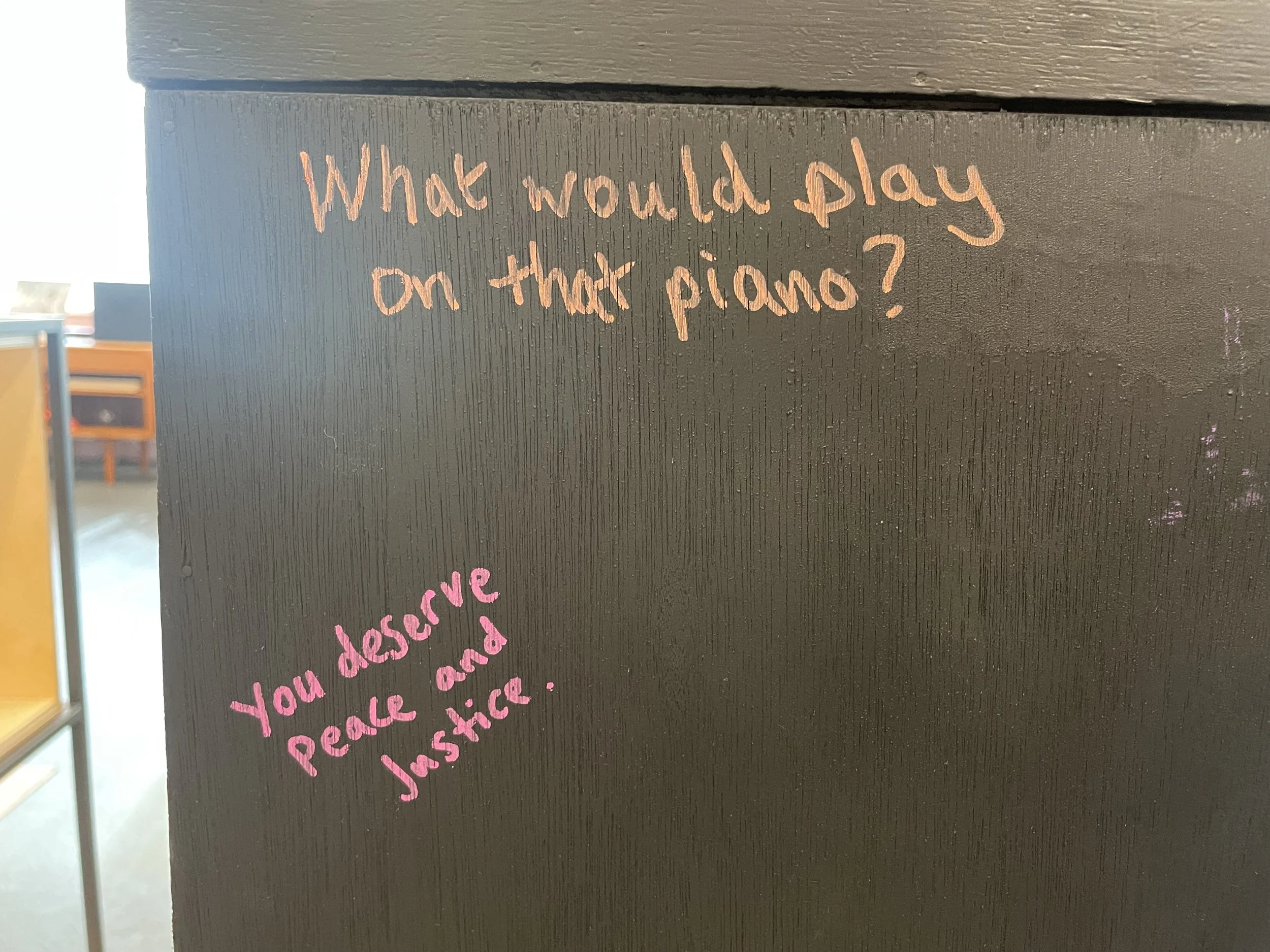
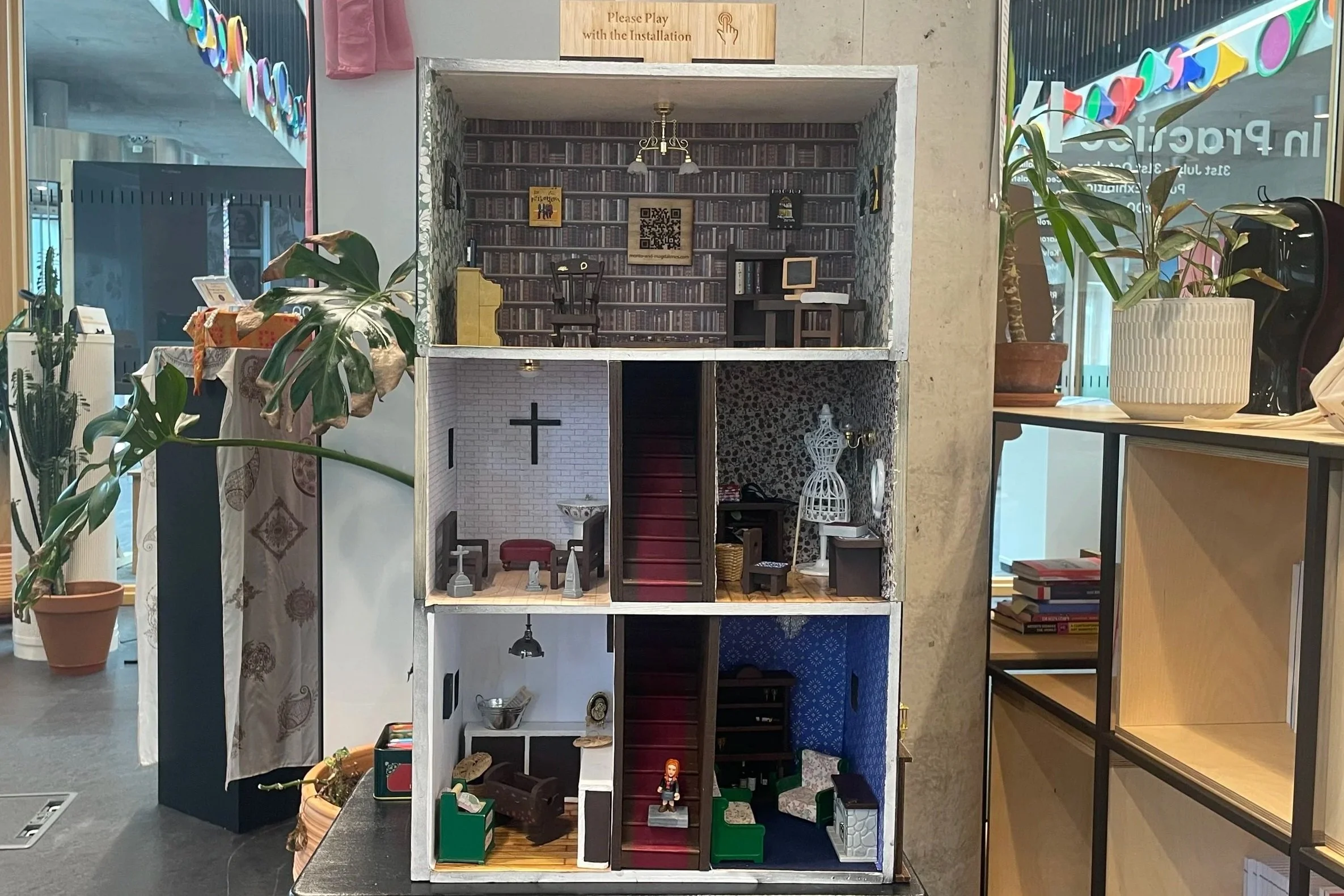
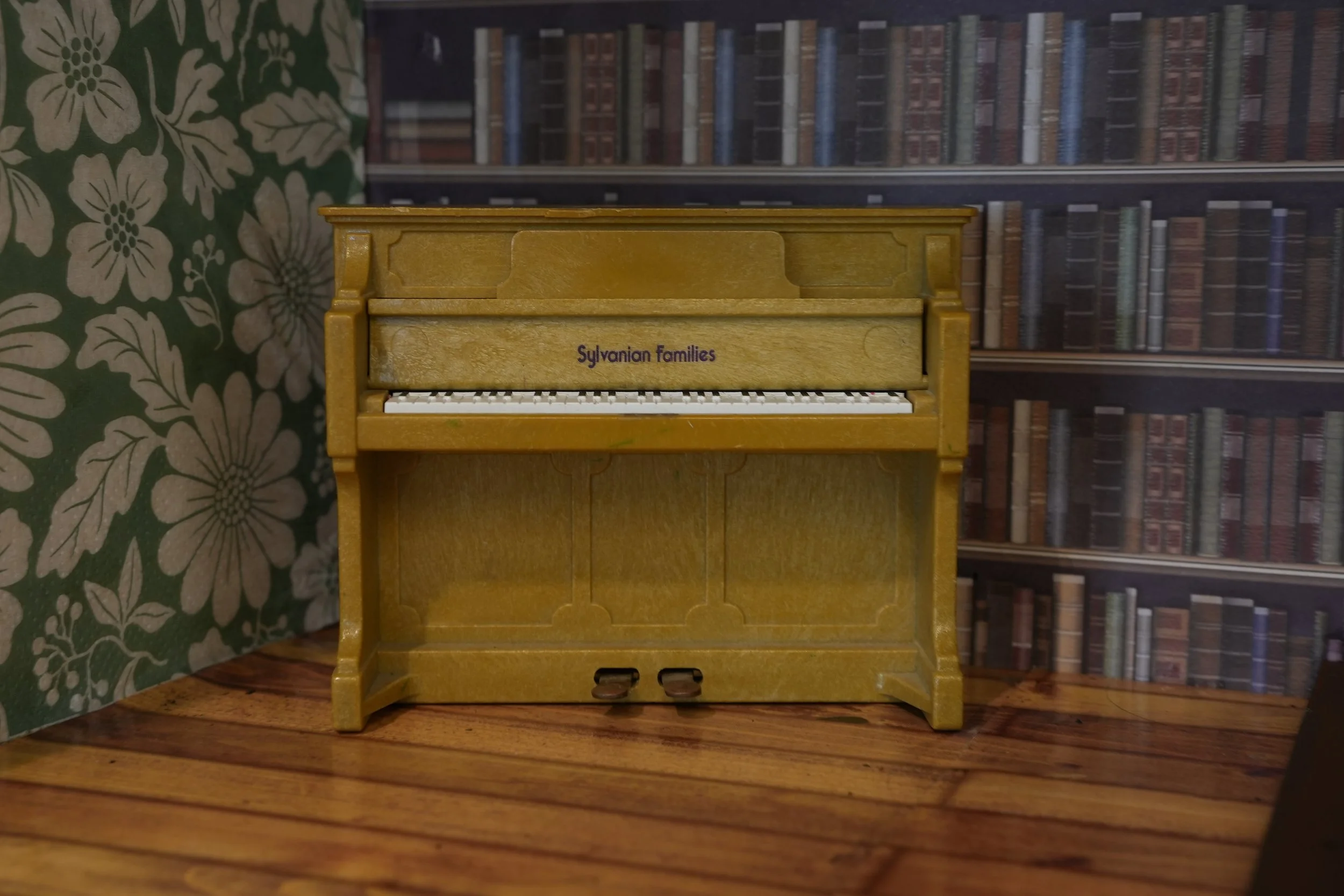
The piano can also be placed in the Monto room by the viewer, as it was featured in the brothels at the time.
Archives
Archives like the National Archives of Ireland and Women’s Voices and Life Writing, 1600-1968 give us an insight into how the public and government perceived ‘fallen women’, prostitutes and illegitimate children.
A great example of this is Rosamond Jacob’s series of diary entries. This is a direct example from the Women’s Voices and Life Writing, 1600-1968 archive that displays a woman’s perspective of these local situations from the period.
‘Found it’s only now they are concocting a bill to make fathers responsible for some of the maintenance of their illegitimate children. Good God! I shocked Miss Buckanan & some others by saying that as long as the girls thought it such a fearful disgrace, it would be impossible to get justice done - that is, make the fathers pay.’
- Diary of Rosamond Jacob, 1923 Nov 12- 1924 Jun 29 (23rd May 1924).
There is also the University of Galway’s Tuam Mother and Baby Home Oral Histories, Justice for Magdalene Research, and The Waterford Memory Project. All include oral histories from survivors about their time in and growing up in the Magdalene Laundries and Mother & Baby Homes.

Books/Stories
In the bookcase, examples of books referenced on the website and suggestions for further reading. Certain books feature stories from the community at the time, while others are from journalists seeking to uncover information. Also, there is representation of the Magdalene Laundries and Monto through theatre productions - ANU Productions.
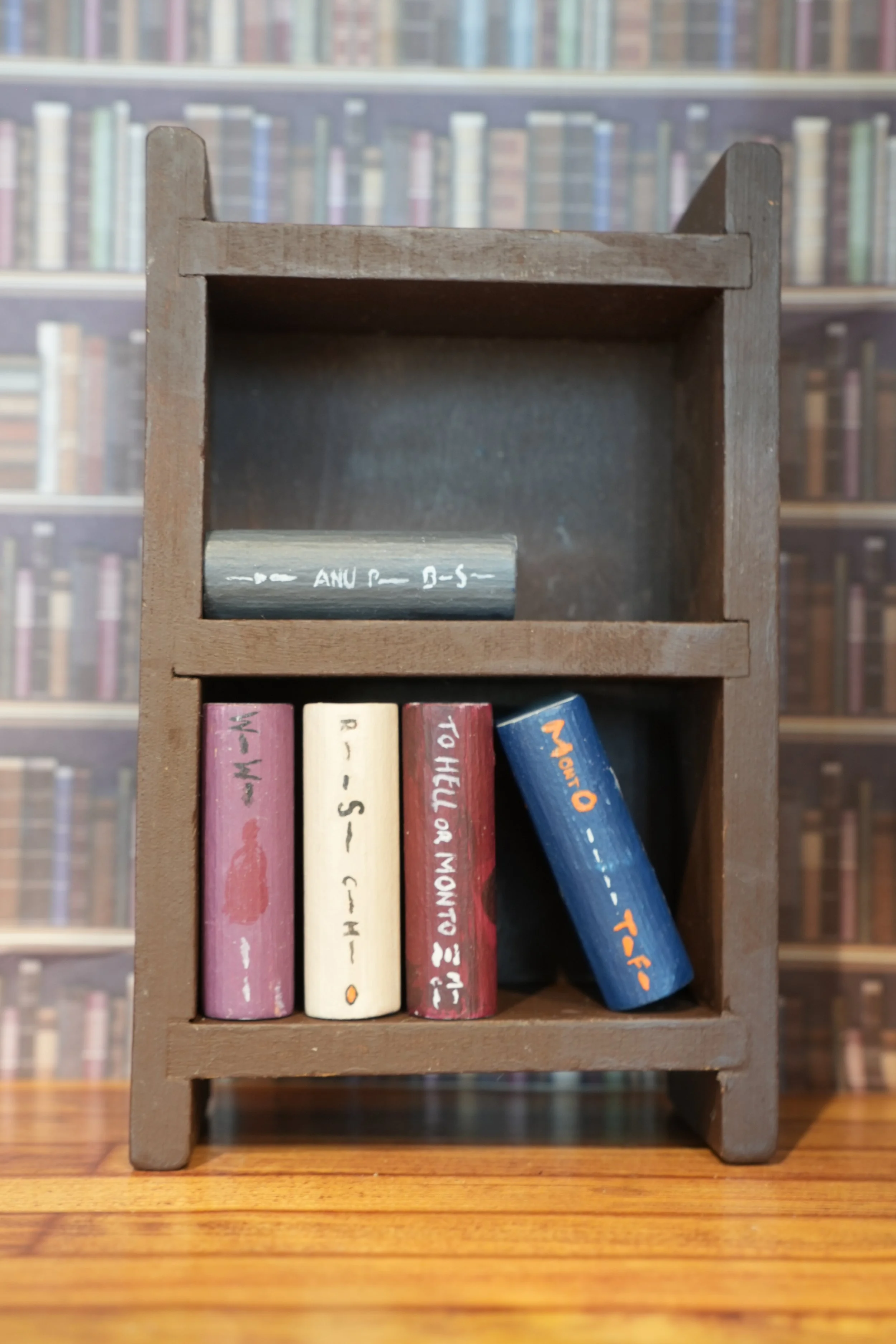
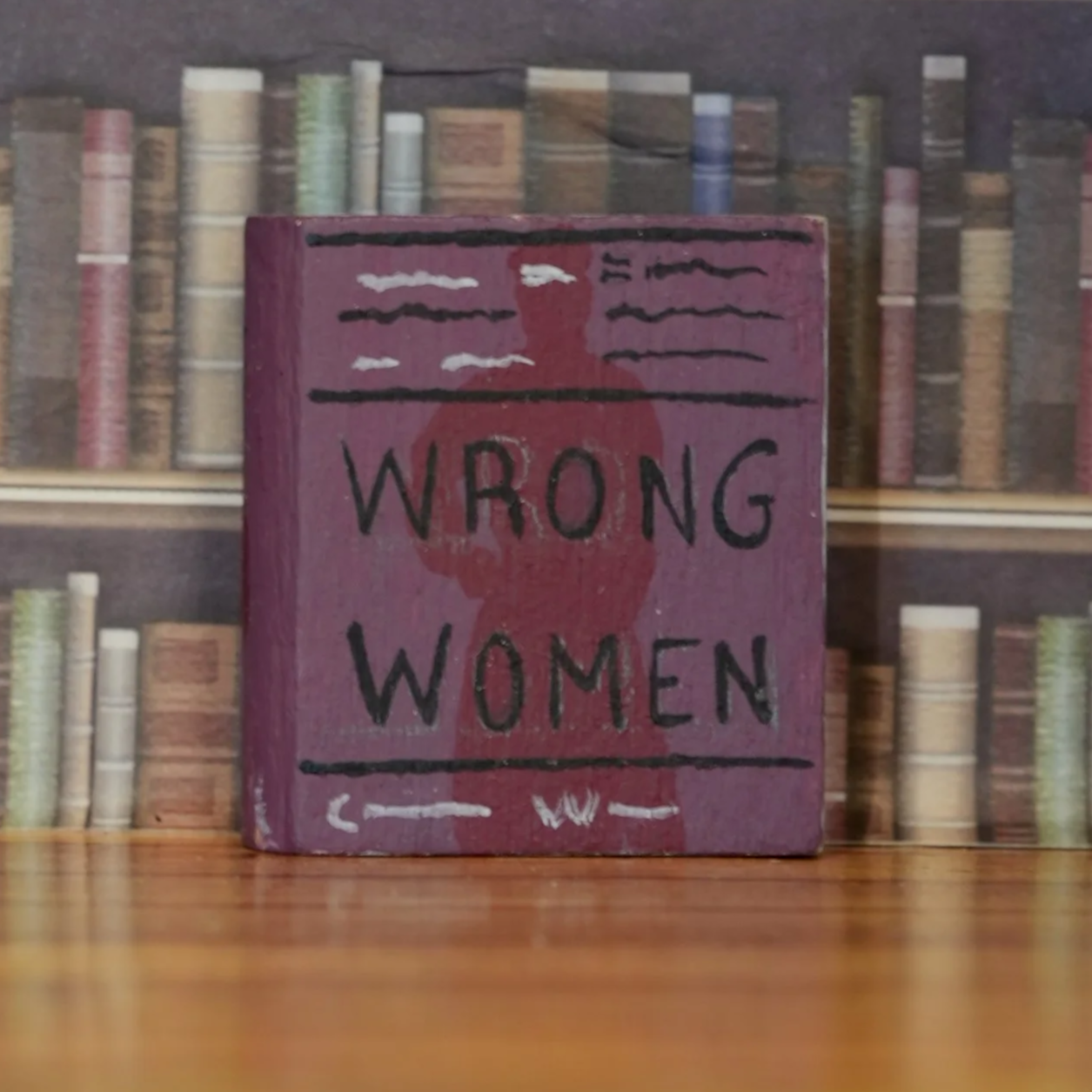
Wrong Women by Caroline West (Monto)
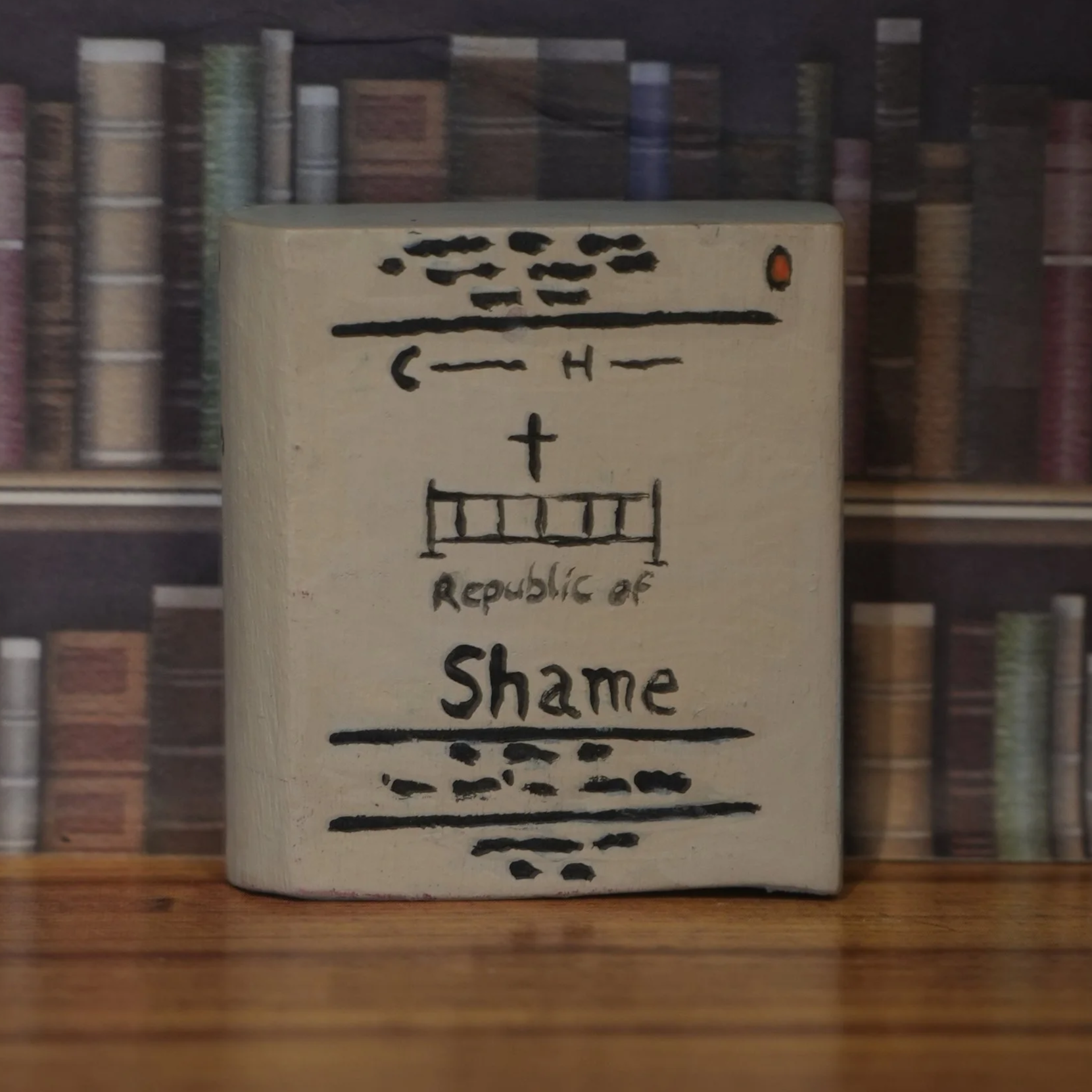
Republic of Shame by Caelainn Hogan (Magdalene Laundries)
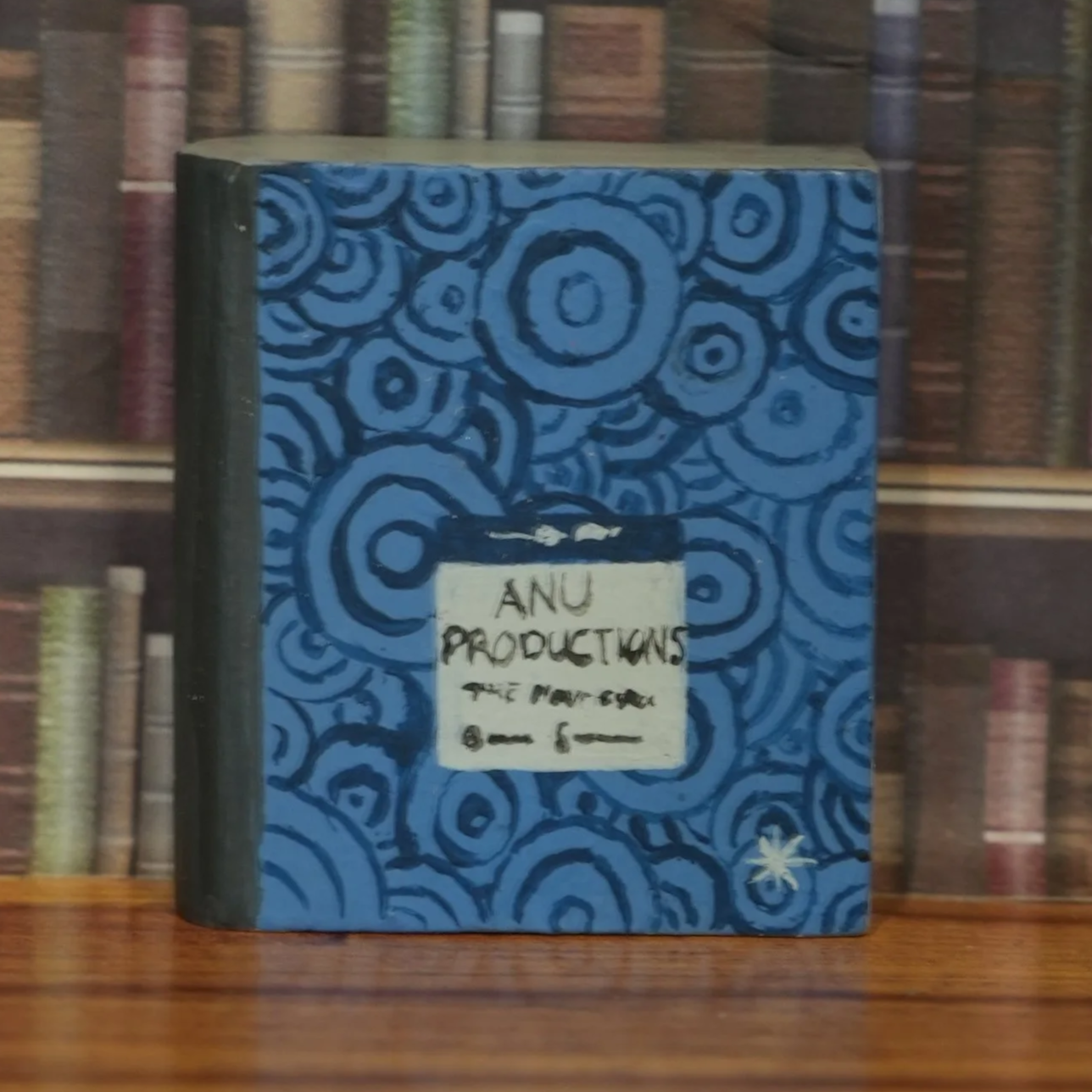
ANU Productions by Brian Singleton (Monto & Magdalene Laundreis)
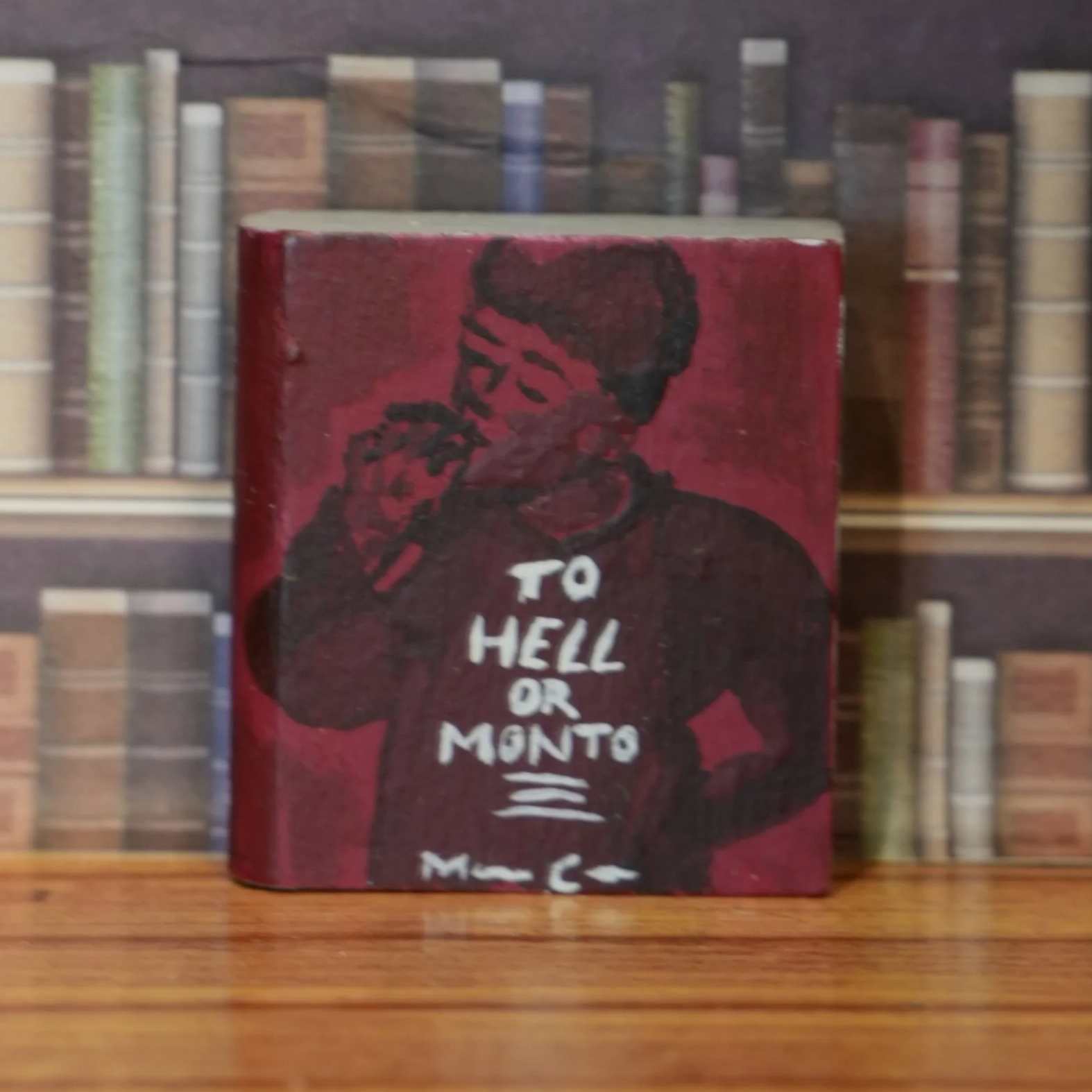
To Hell or Monto by Maurice Curtis (Monto)
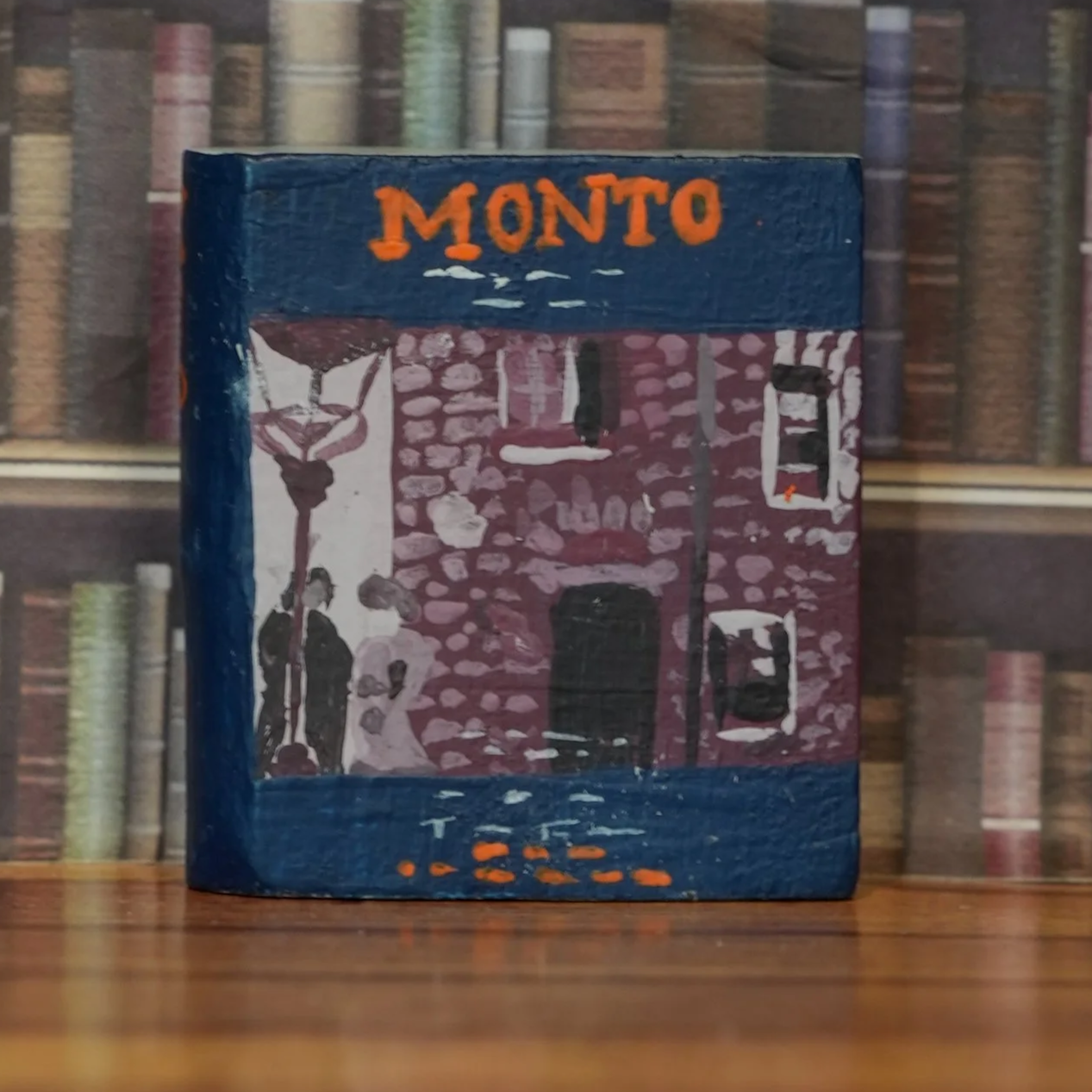
Monto by Terry Fagan (Monto)