Society *
Society *
In both Monto and the Magdalene Laundries, ‘bobbing’ was mentioned by people. This was the action of cutting a girl's hair so short that it was bobbed.
For Monto, it was people seeing prostitutes left out on the street with cut hair or those with marks who were punished by Madame May Oblong. It was a physical sign that these women had upset the madames, whether they did not give the correct amount of money or were unsuccessful in stealing money from their clients.
Women in the Laundries experienced similar cuttings:
‘Bobbing/Bobbed’
Interviewer: And how would the nuns at the laundry punish you? What kind of things would they do? So they would cut your hair?
Mary Jefferies: Oh, they would cut your hair and they would stop you, you wouldn't be able to have any food.
Quotes from Justice for Magdalenes Research.
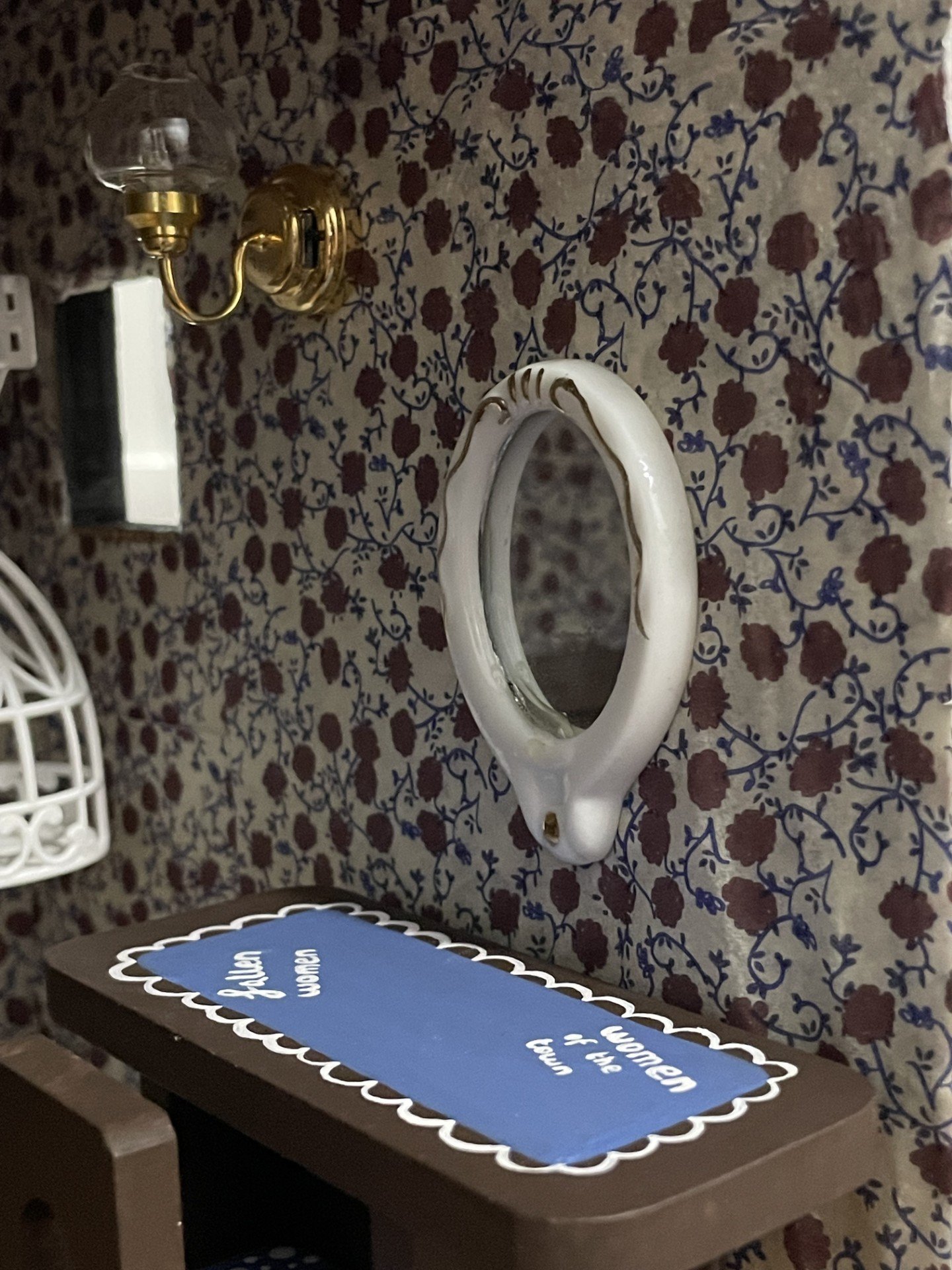
Women in Monto and the Magdalene Laundries were given alternative names or nicknames during their stay. For the women in the Laundries, it was a way to protect the women inside from letting others outside know who was within the institution. Some examples for prostitutes would be ‘Moll Hall’, ‘Pimping Peg’ and ‘Lady Limerick’. These were nicknames; however, it may have been in some cases that the prostitutes used these nicknames to diverge from their past.
The madames would adopt different names too, like May Roberts, who would be best known as May Oblong.
The women and the illegitimate children associated with them were plastered with labels from society. Some examples are given here:
Names
‘Evil influence’
- applied to girls/women interacting with other children or women. Some of these girls/women had sex or were raped.
‘A bastard. A queer..’
- words P. J. Haverty heard from people growing up. He was born and grew up in a Mother and Baby Home.
‘(genuine) first offenders’
- women whose first time it was getting pregnant outside of wedlock.
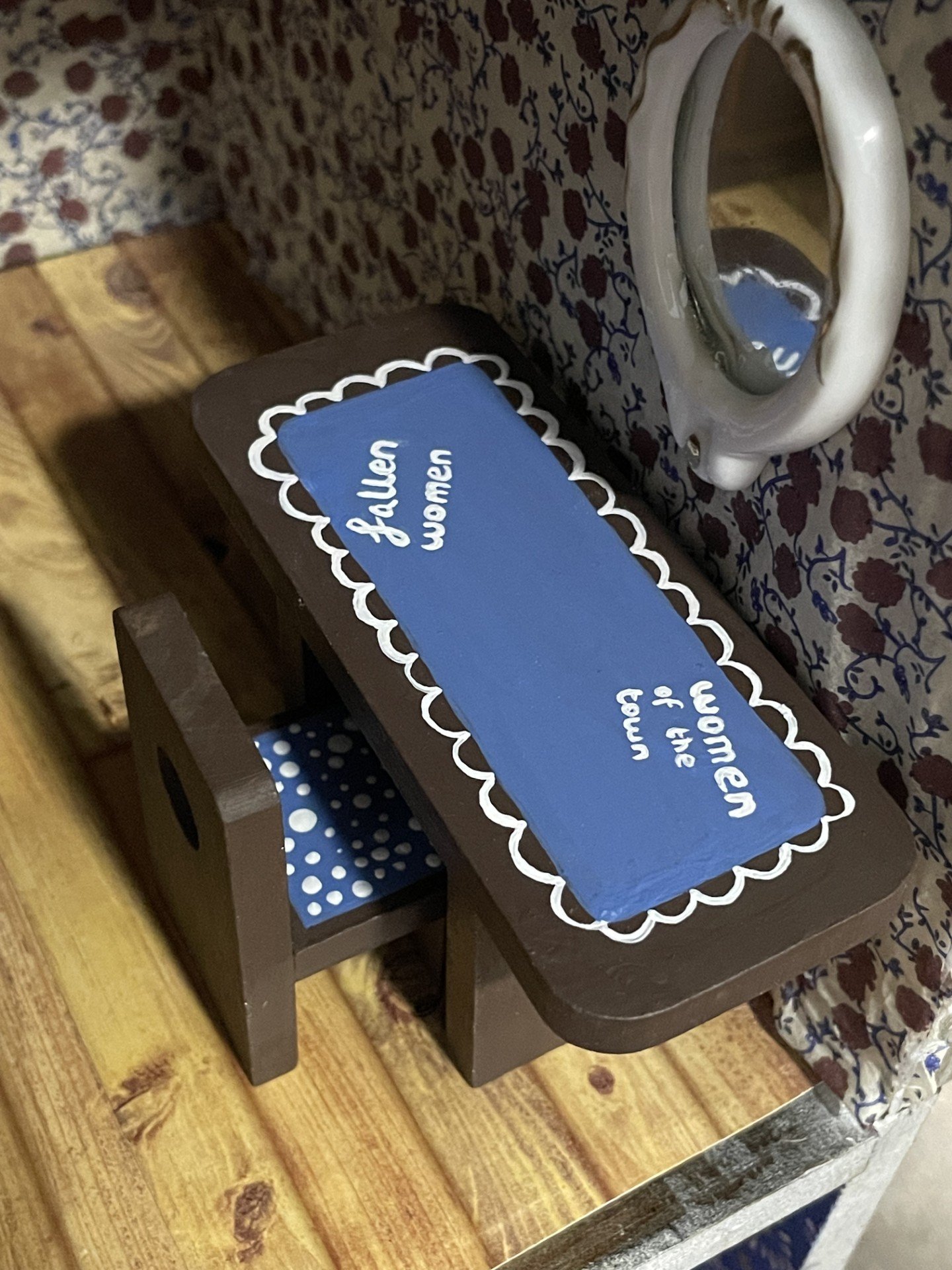
‘fallen women’
- most notable name given to women who were perceived to have ‘fallen’ into sinful ways or from the religious moral superiority that society held. This would be applied to both prostitutes and mothers who had children outside of marriage.
‘residue’
- label given to a ‘multiple offender’ or the ‘unredeemable women’.
‘Idle and Disorderly Persons’
- synonym used for prostitutes.
Most names taken from ‘Republic of Shame’ by Caelainn Hogan. ‘First offenders’ from both Hogan and the Department of Children, Disability and Equality Report (2021). ‘ Idle and Disorderly Persons’ from the CSO/RP/1826/447 file at the National Archives of Ireland.
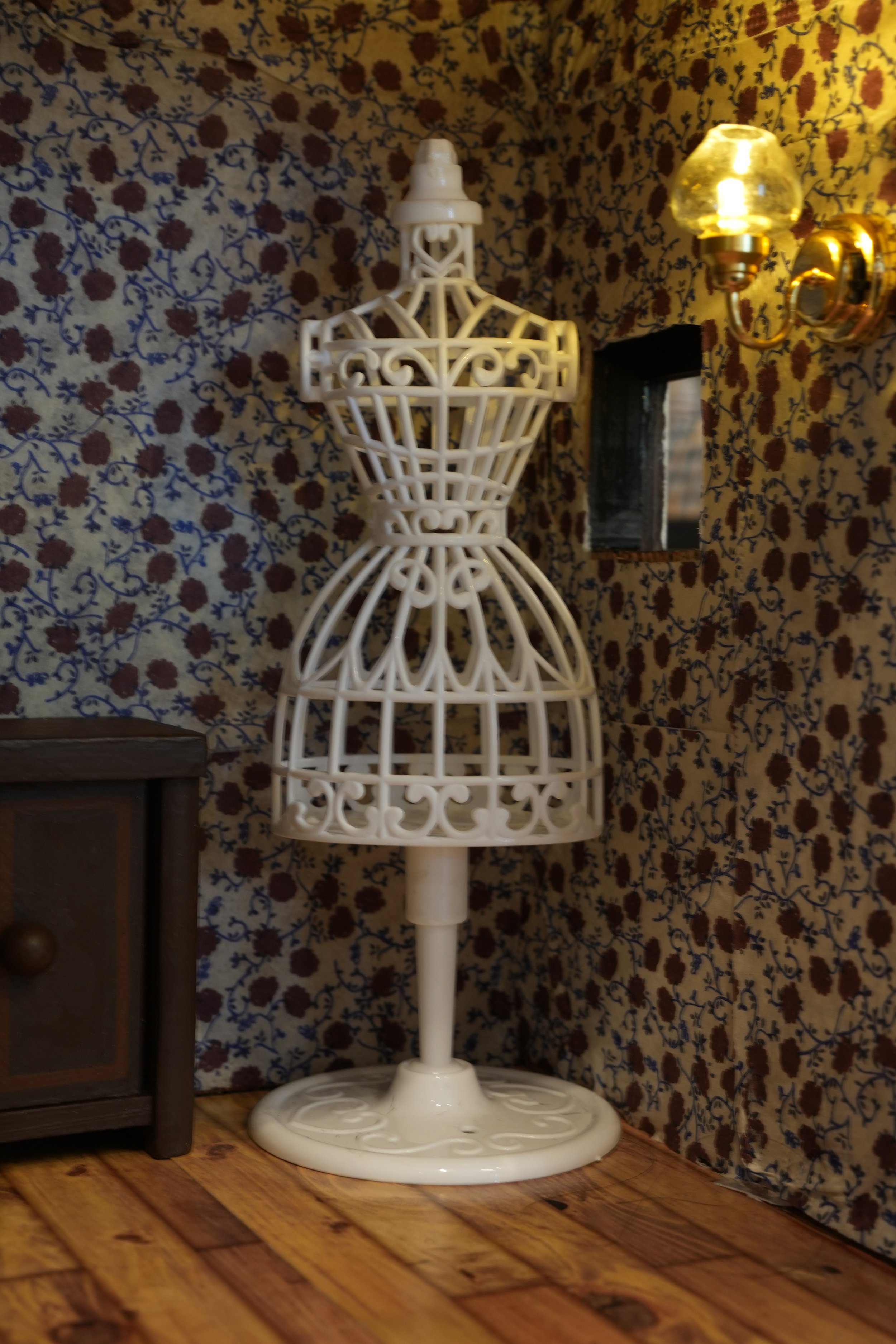
Clothing was a defining factor for these women.
In Monto, it was a way for the prostitutes and Madames to get clientele. They would have a fleeting moment of escapism into upper-class society as they dressed up, rode in a carriage, and went to balls or races. The women had a glimpse into a life they may never have experienced before and would never experience again.
As for the Magdalene Laundries, clothing was a control mechanism. Not only did the women lose their names when they entered these facilities, but they lost their identity through their clothing too. The cloth was black/grey that each woman would wear.
Clothing
‘they took all my clothes off me, gave me an auld grey dress or something and because my hair was short they couldn’t cut it anyhow so...and auld stockings…woolly auld stockings and black…back shoes, were horrible, and an apron. And I was looking around and all I could see was poor old women there and I was, ‘oh good Jesus, where am I?’’ - Martina Keogh
Quote from Justice for Magdalenes Research.
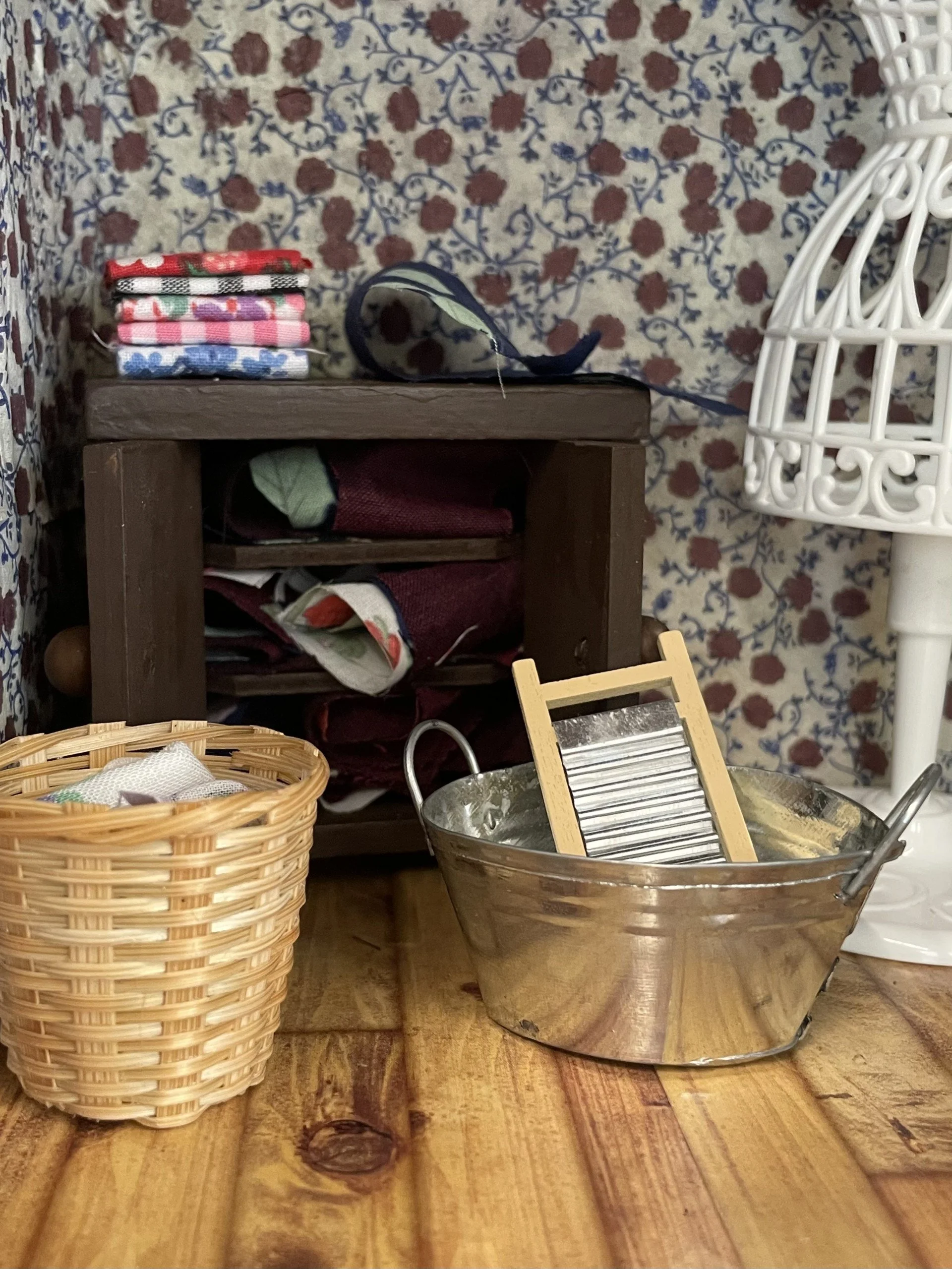
Working as a form of pay was prevalent in the lives of the women in Monto and the Magdalene Laundries.
In Monto, the women would work under the Madames to pay their rent, rather than sleeping in hallways or on doorsteps. Their work would cover the cost of the clothes these Madames provided the women. The women would also pay the local children money to go to the docks to learn when ships were due, find army regiment locations, or go to the store to get a newspaper for this information. These women were working to survive.
Work
As for the Magdalene Laundries, the work was seen as women washing away their sins. The nuns were in control of the women's work, schedule, food, bathing time and childcare. Many women in the laundries were not paid. They were forced to do labour within days of their due date. Isolated in these buildings, the women received laundry to clean and were uncertain about the extent of their stay.
Though this project has presented Irish society turning on these women, the local community often supported them.
This came in the form of protecting the women from abuse, looking after children as the single mothers left for work. The prostitutes would leave their children with the neighbours to look after them. They would look after the women too, offering them tea and bread.
Merry Merritt, the survivor featured in ‘You Can Leave at Any Time’, mentioned how a local woman helped her get a flat and job before she had to leave for England.
Prostitutes would help out other women or the local community by collecting money to help pay for funerals, pawned items and food.
Support