Ground Floor
Introduction - Monto
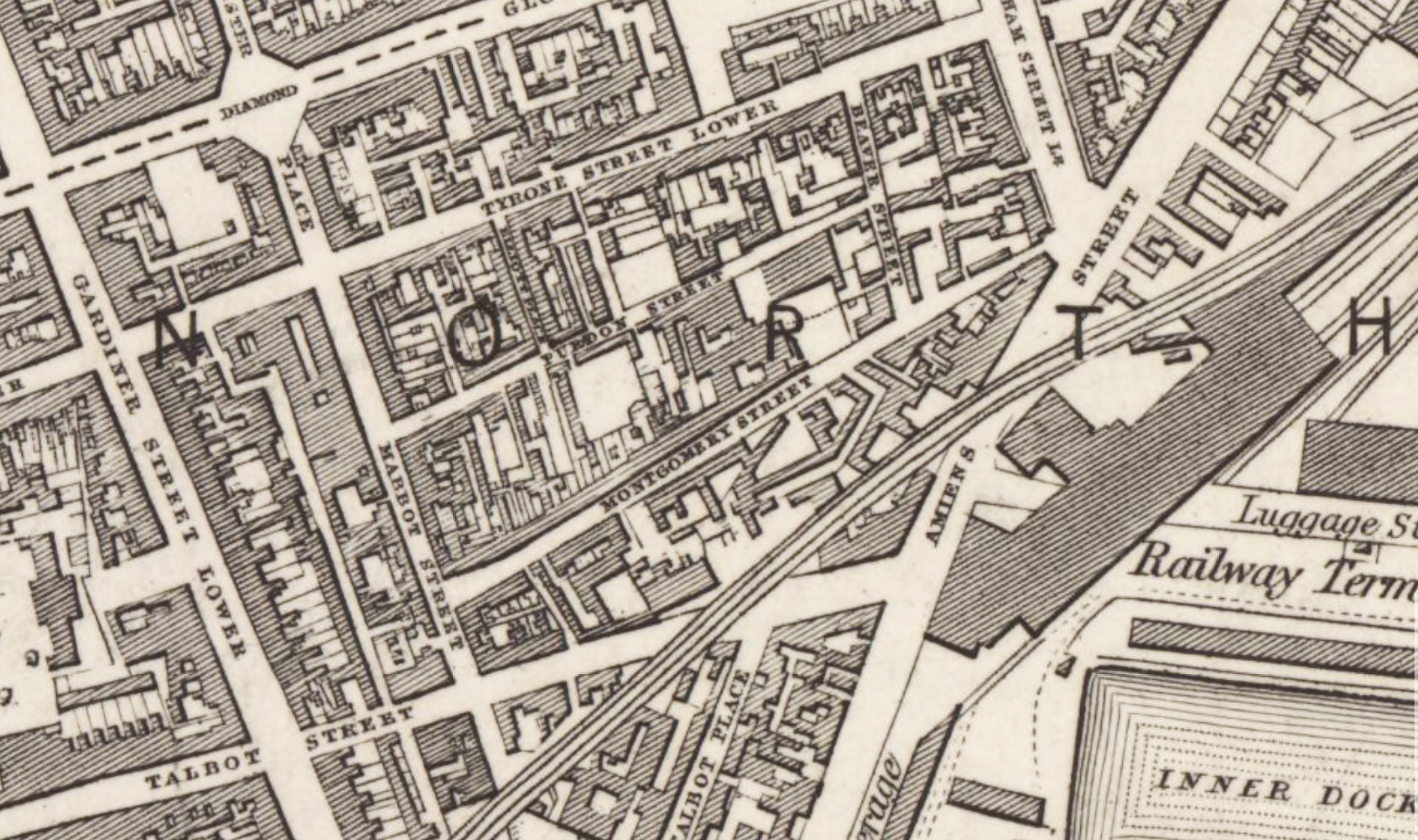
(Image from: https://maps.nls.uk/view/247667871)
What is Monto?
The Monto was a well-known red-light district in the late 19th Century, centred on Montgomery Street, Dublin (now Foley Street). The area covered the former street, as well as Gardiner Street, Buckingham Street, Amies Street, Talbot Street, Sean McDermott Street and Mecklenburgh Street in Dublin, Ireland. Its prominence ran from the 1860s until 1925.
Within this area, brothels and shebeens flourished. The houses would range from 1st (flash houses), 2nd and 3rd class. Though it was known by society, especially those around the area and upperclassmen, it was hidden from this sector of Dublin. It was seen as immoral and sinful for the women (both Madames and the prostitutes); men could enter and exit the area with no reprimand.
Shebeen?
(Irish: Síbín) A location where patrons could buy alcoholic drinks from people without licences. Also known as ‘speak-easy’, where customers were asked to ‘speak easy’ while ordering and drinking so that neighbours would not alert the police/gardaí.
During this period (1800-1925), Dublin and Ireland were not well financially or socially. Soldiers were returning from war, society was recovering from the Famine, the Monto area was in very poor condition, and many people were escaping the countryside to seek a future in Dublin or to go further to London. Many girls saw Monto and its brothels as an escape from this downturn in life. However, many were picked up at the train station, promised this freedom via a job, and were subsequently lied to.
After creating the Legion of Mary in 1921 to assist women in poor circumstances through retreats, Frank Duff stumbled onto a tenement house where young women were held to become prostitutes. He, with Miss Plunkett and Miss Scratton, set up the Sancta Maria Hostel in Harcourt Street to help out prostitutes in the Monto area. The plan for the retreats and the hostel was to provide accommodation so the Legion could transform prostitutes into women that society could accept.
‘The work would be based on the idea of establishing friendly relations with the girls, so that as time went on many of them would prove amenable to the influence of the ladies.’ (p 2)
‘Many of the girls, from the very first, shook free completely from the grip of drink, and strange to say the slender cigarette allowance proved adequate to stay their cravings. Thus aided, the regular meals, the light work and the moderate discipline of the Hostel, and above all the regular routine of prayer and the frequentation of the Sacraments worked visible wonders of restoration in our big household.’ (p 53)
Duff did the same on the 22nd of March 1923, when he entered a lodging to attend to a dying prostitute. He and the Legion reached out to other women there, offering aid and an alternative lifestyle. The women were hesitant at first; however, when Duff and the Legion of Mary interviewed and paid off these women’s debt to the Madames in charge, there was a serious reduction in the number of prostitutes in Monto.
Duff was aware of the Magdalene Asylums in the city, which aided prostitutes who were pledged to lead a new life. Though the Asylums were a quick response to hide the prostitutes from society’s eyes, many women of Monto were scared of what lay behind those doors.
‘Other than by the Magdalen Asylums, the problem was untouched in Dublin. Those Asylums did their work perfectly, but there was vital need for additional machinery which would pursue the girls into their haunts, canvass them and follow them up assiduously. However, we credited the girls with being much harder to approach—much more difficult to influence to good—than they were in reality.’ (p 1)
‘The sequel was sensational. Many of the girls started to cry. As far as could be judged, all of them declared their sorrow at their present mode of life. They would love to be good, but what could they do? Nobody would employ them, so how could they live? The suggestion was made that they go into the Magdalen Asylum, but at this they balked.’ (p 5)
Finally, on the 12th March 1925, Duff - with the Legion of Mary and the Gardaí - rid Monto of the last Madames and brothels still standing.
The Legion of Mary reclaimed 1/3rd or about 200 of the known prostitutes in the space of a year, and by the 2nd year, there were only about 40 practising prostitutes left in the district.
The Monto Room *
The Monto Room *
Flooring in The Monto reflected the level of class that the house was. The ‘flash houses’ had carpet, grand furniture and private rooms, while second- or third-class brothels could not afford such luxury. They had exposed wooden boards, or linoleum was laid in the hall.
Flooring and Wallpaper
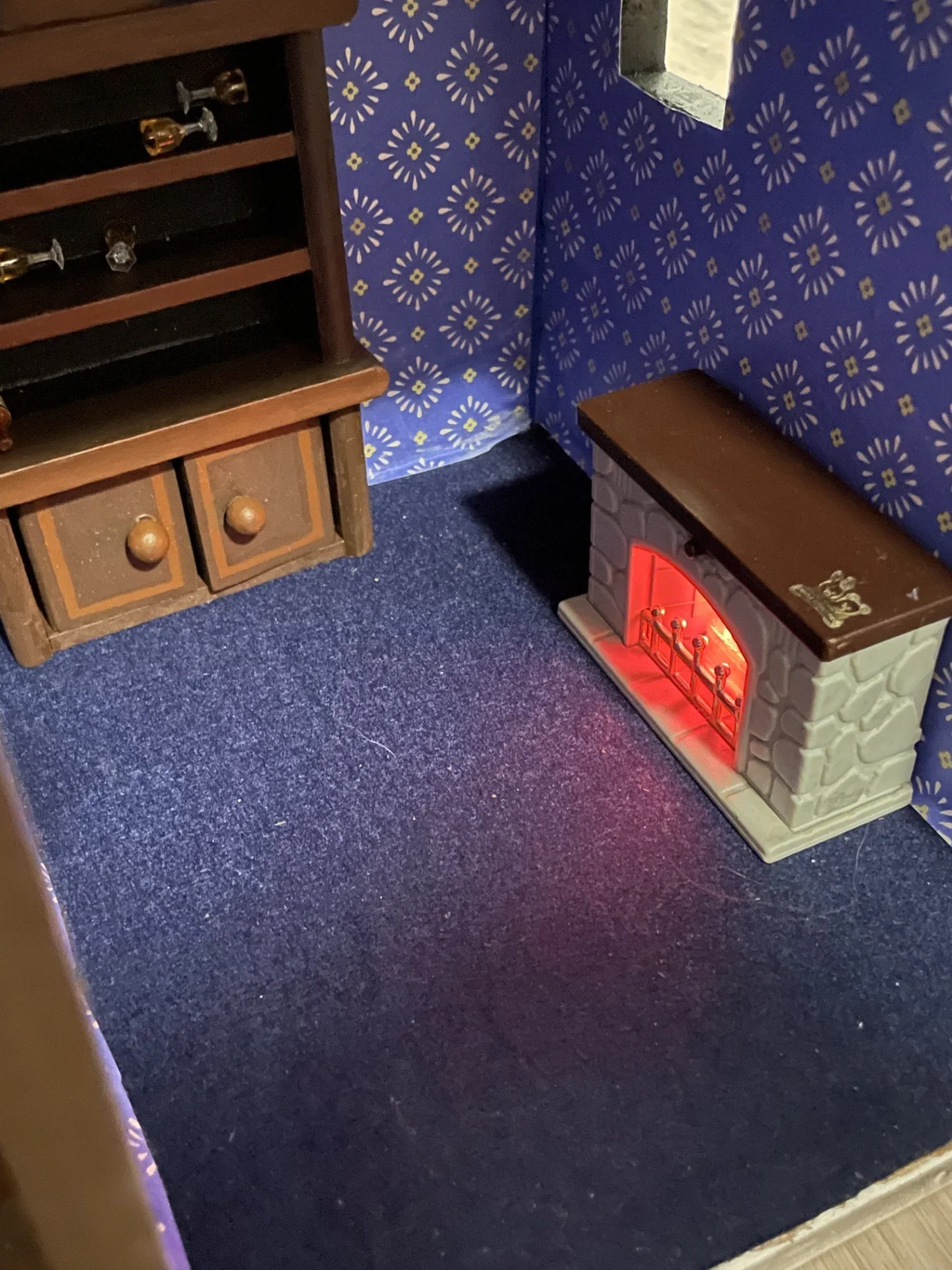
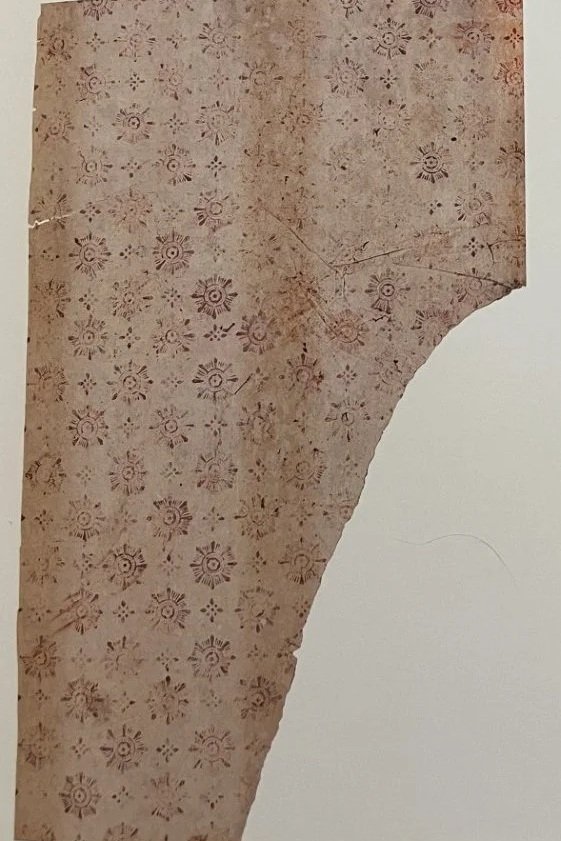
Though little is mentioned about wallpaper in the brothels, one can assume the higher-end brothels would use higher-quality wallpaper. As more designs used more blocks to print, the quality of pigments improved, and with additional finishes, the price increased. Meaning that the flash houses might have included the more expensive rolls compared to the other brothels.
The picture presented on the left is from Skinner’s Irish wallpaper book and displays a cheap, poor-quality paper from around 1836-40. The blue design is wrapping paper that mirrors Skinner’s example.

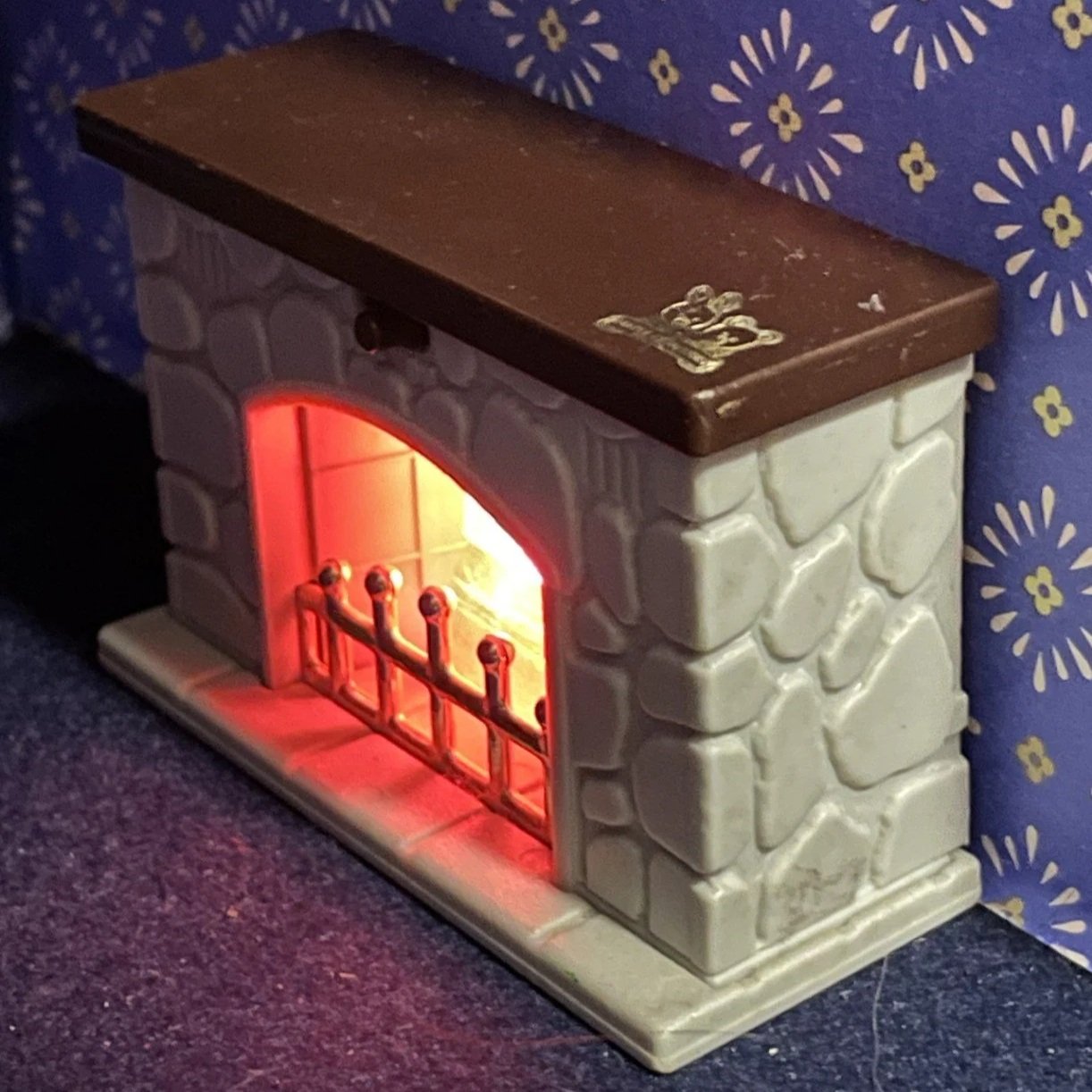
Fireplaces were another representation of wealth and upper-class luxury for the brothels and women. The two types of fuel used in these spaces were turf and coal. In lower-class tenements used as brothels, turf was used in the fires. While in the flash houses, coal was provided for heating the living room.
Many prostitutes who were not a part of the establishments had no source of heat but the clothing they wore and would often use hallways of buildings for their services and shelter.
Furniture
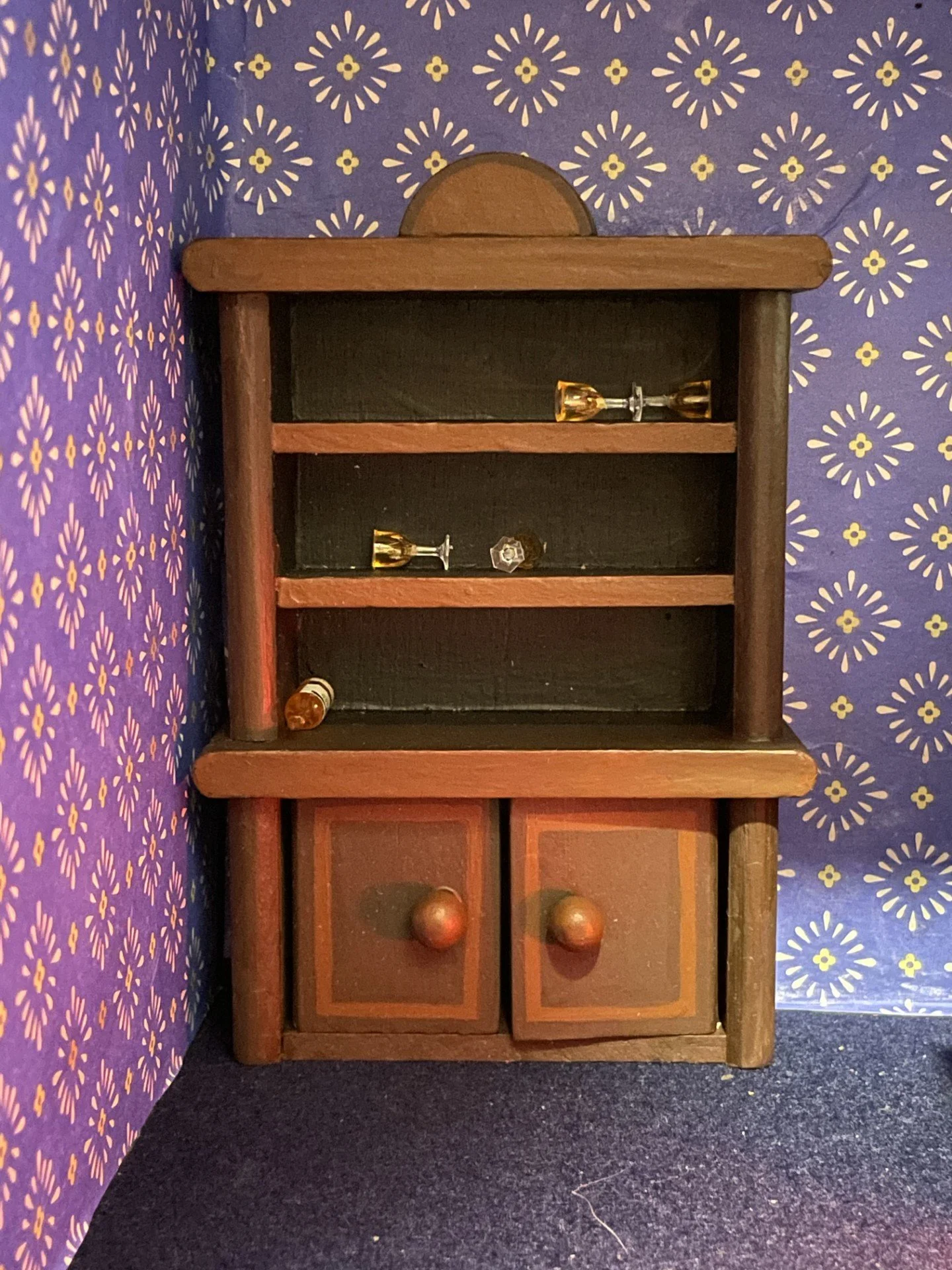
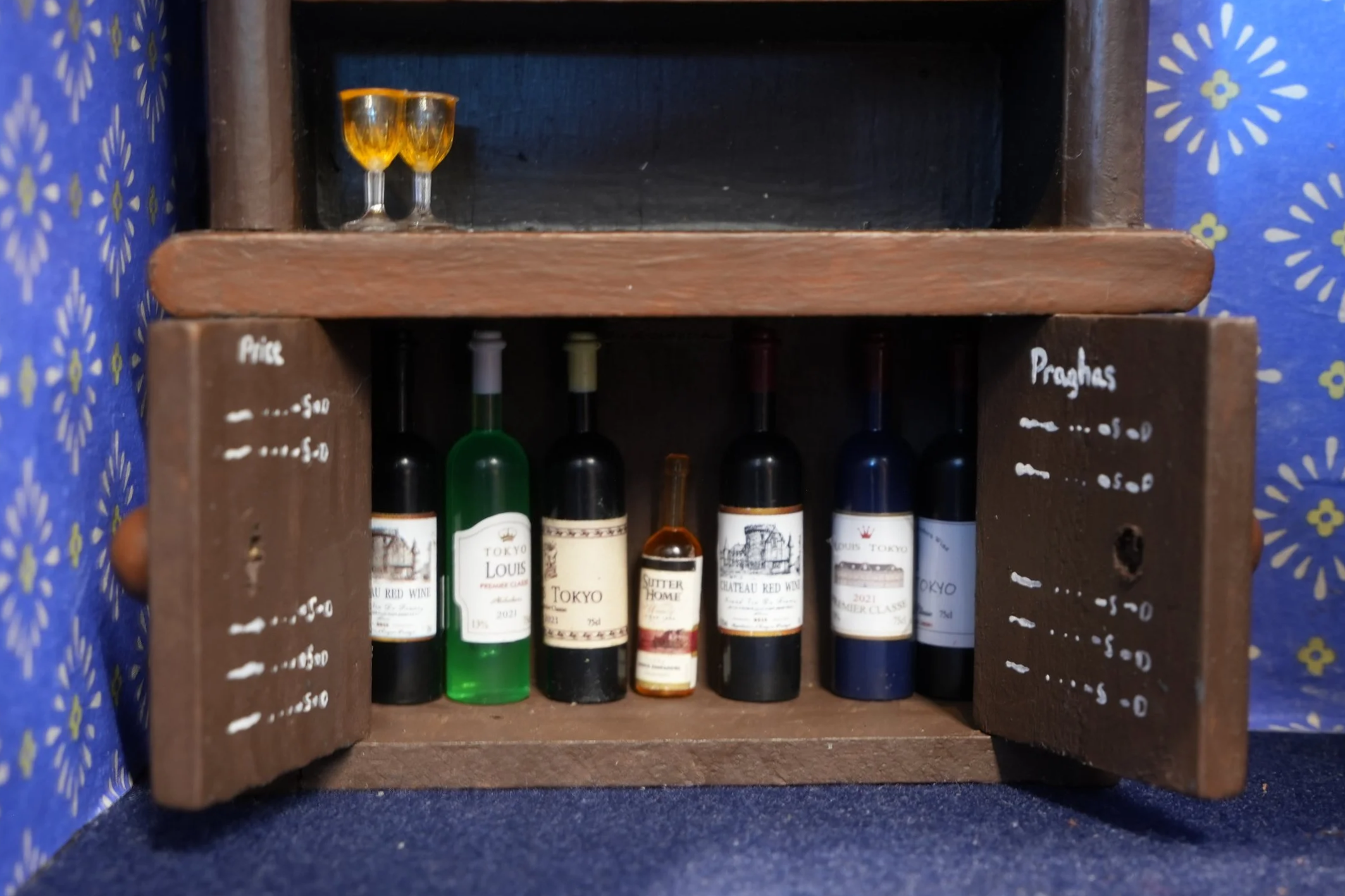
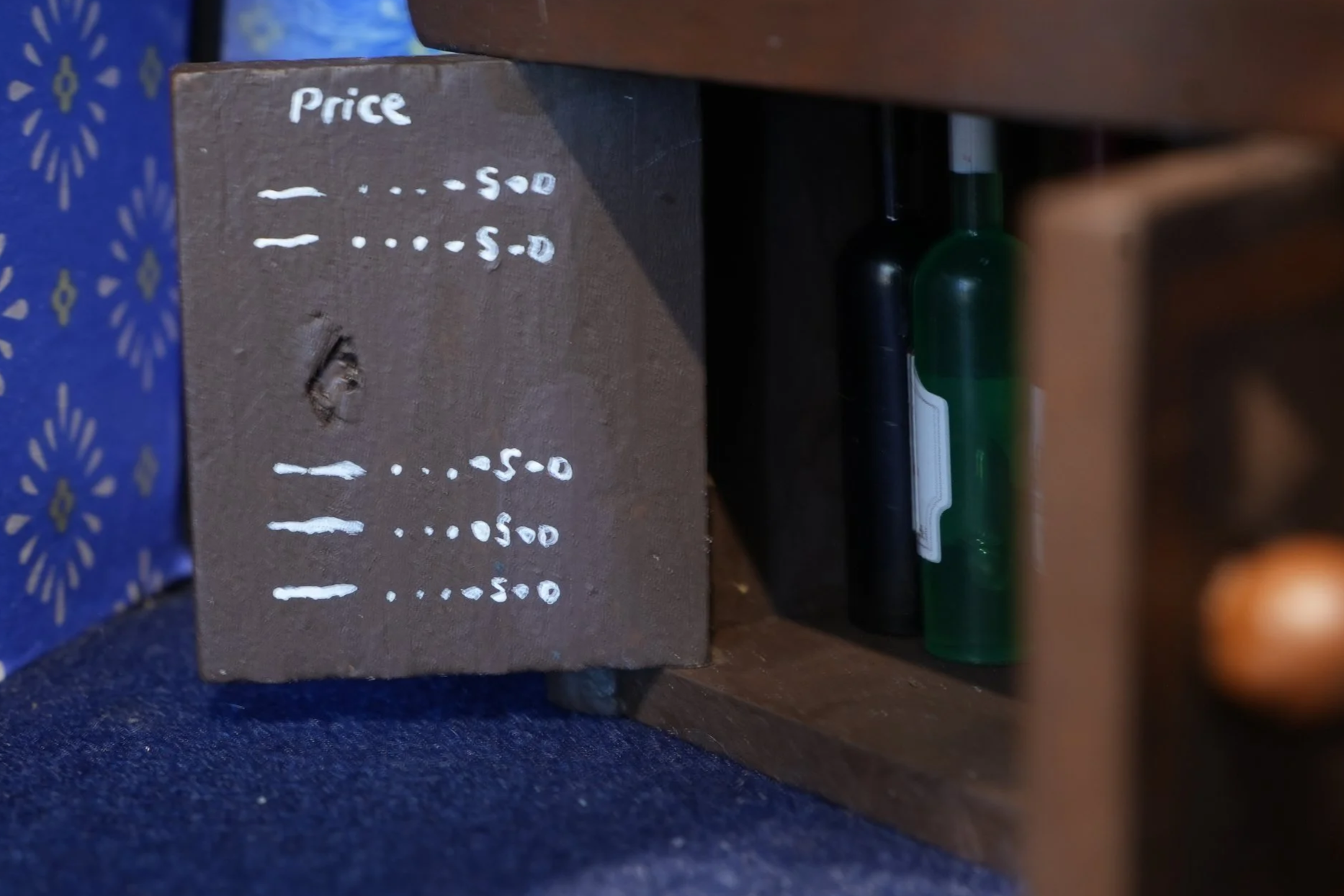
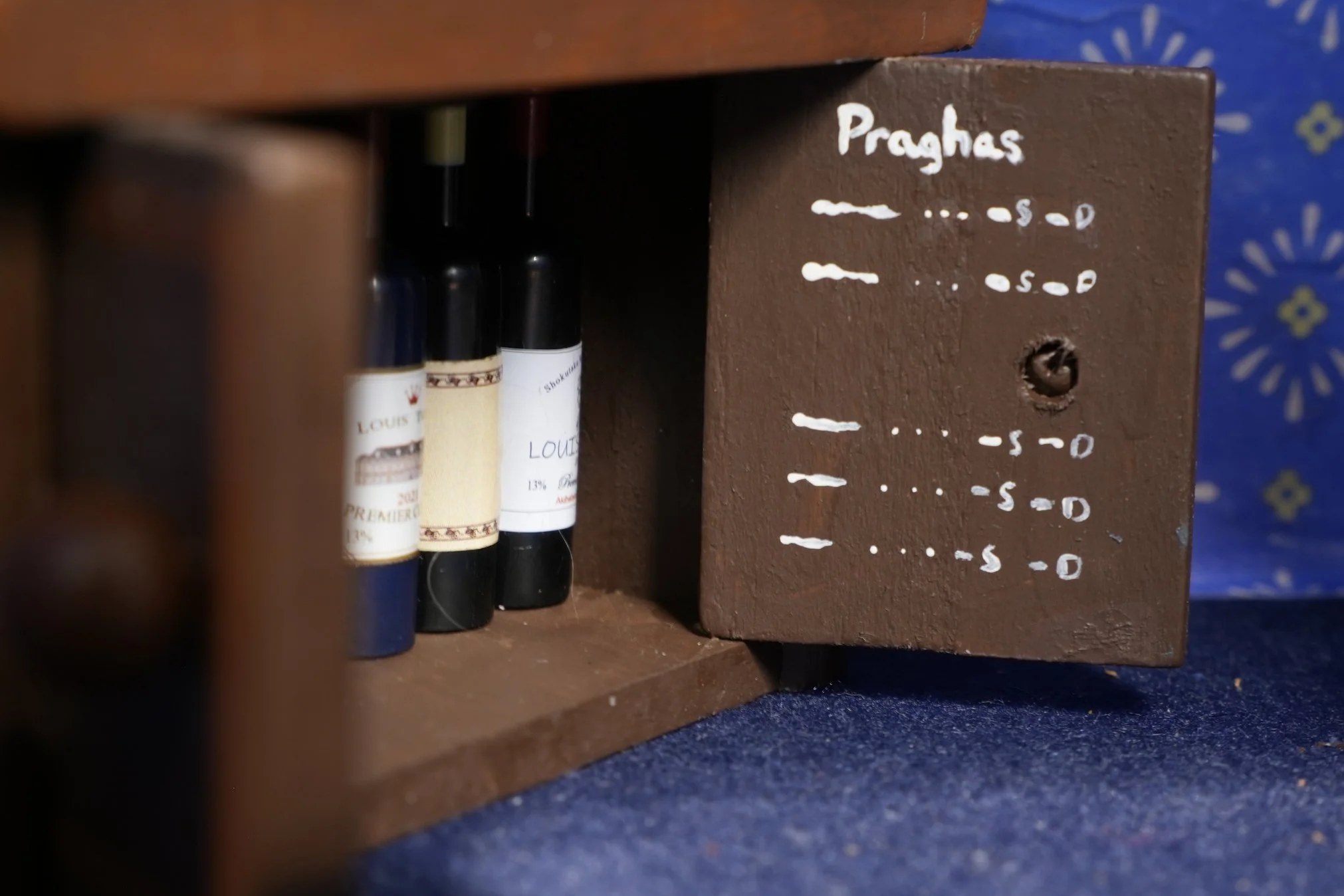
Alcohol was present in Monto, though it was illegal and more expensive than the local pubs. Many people went to the brothels to drink after the pubs were closed. The Gardaí (Irish police) could not (or would not) always prove prostitution, although they did charge for the selling of alcohol without a licence. When Monto was being closed by the Gardaí and Legion of Mary, many men rounded up by the Gardaí were released as they were there ‘just to drink’.
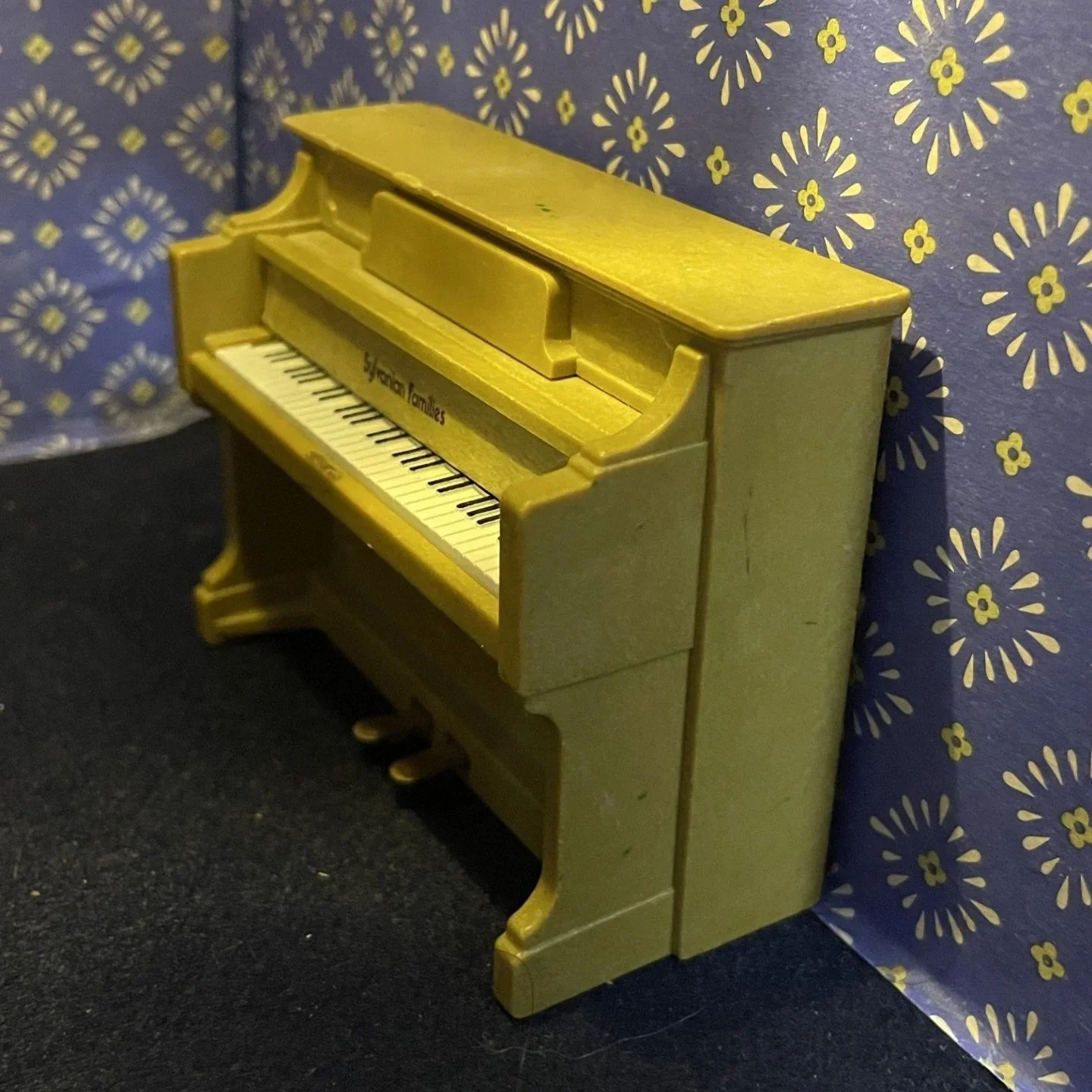
Music was a present feature in Monto. Flash houses might have a piano for entertainment.
Paffy Heeney was born on Meckelburgh Street Lower and created the music for The Soldier’s Song/Amhrán Na bhFiann (Ireland’s national anthem).
Many songs feature Monto or the Madames. ‘Monto’ by the Dubliners is the most prevalent. Local tunes/rhymes
In the exhibition, the piano is featured in the attic as a part of remembrance through song. However, the audience is encouraged to move the piece to where they see fit.
The madames were the main women in charge. They would buy the houses and control the women. They were often dressmakers and moneylenders. They would profit off the girls and poor community around them. This was an occupation where women held power, but it came at a cost. The community would harbour feelings of contempt towards the madames.
The same feelings were directed towards the bully boys or fancy men. They were equivalent to bouncers who held more power. They would rough up the clientele and the girls. Threats were made to gain more money from the women by saying that they were lying to the Madames.
Madam and Bully boys
“The women got their clothes from May Oblong [renowned Madame in Monto]. She sold clothes, not just to the poor unfortunate women but to other people as well … May gave out ‘the scour’ [credit] to people to buy their messages and clothes. She lent out money; she was a money lender.” - Chrissie Ryan
“If they picked up a man and, after doing the business, they tried to run off without paying, she’d have them beaten up in the kip houses. All their clothes would be torn off of them by the madam’s ‘fancy men’.” - Billy Dunleavy
“They went through hell. They had black eyes and broken arms and sometimes they were thrown out onto the streets with nowhere to go, only the doorways of the houses to sleep in. I used to hear them crying in the streets.” - Mary Murphy
‘Young women were enticed down to Monto by the promise of employment … Later, they were entrapped when they got into debt with the madams for the price of their clothes, food and lodgings.’ - Terry Fagan.
Quotes from Terry Fagan’s book Monto: Madams, Murder and Black Coddle
Further Reading